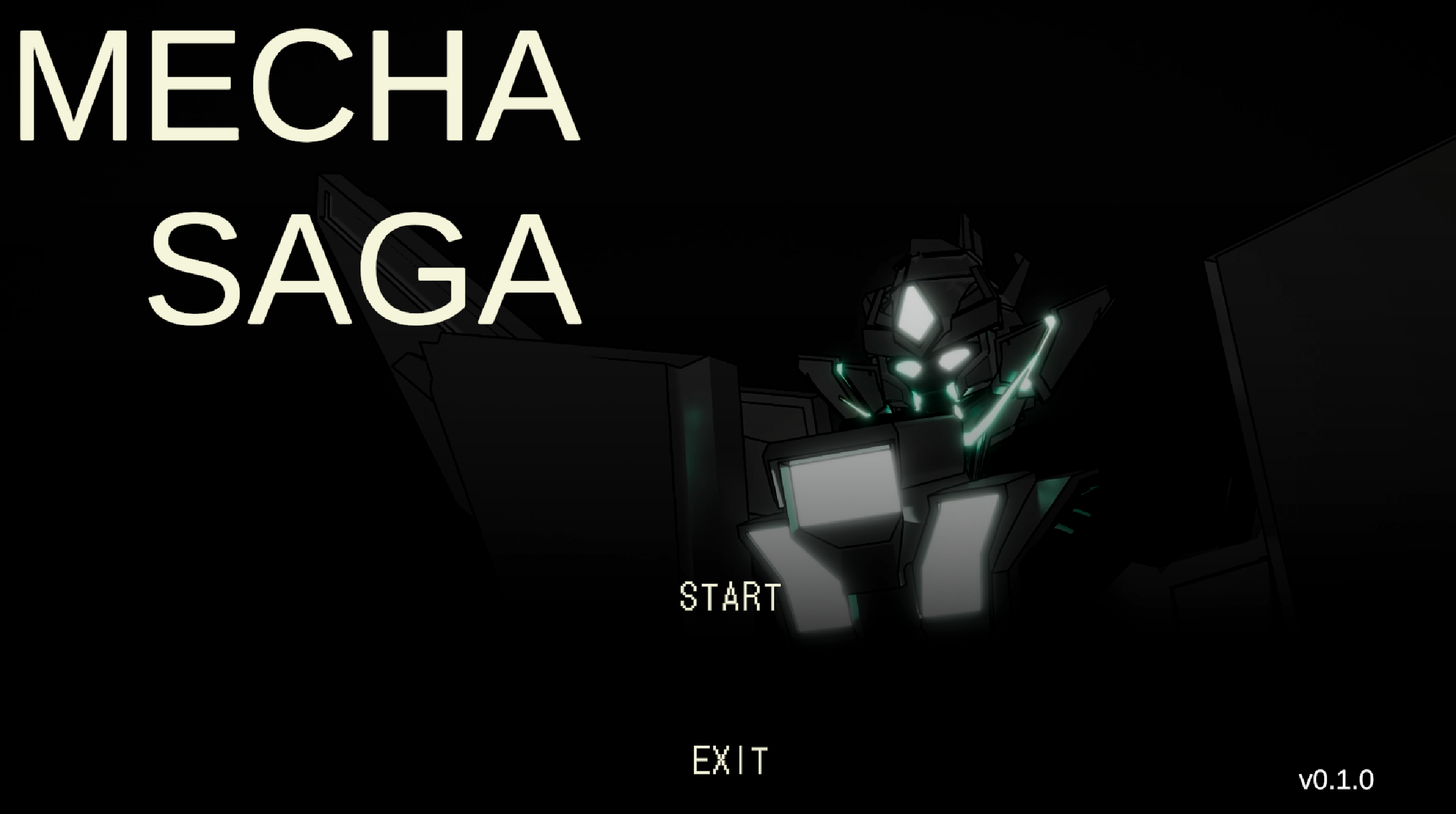
MECHA SAGA
Mecha Saga is a 2.5D single/duo player top-down shooter action game where players pilot Hun Tianlong, a giant mecha, to defend Earth against the Jiwo—a hostile alien force originating from a distant 724 light-years away near the constellation Perseus.
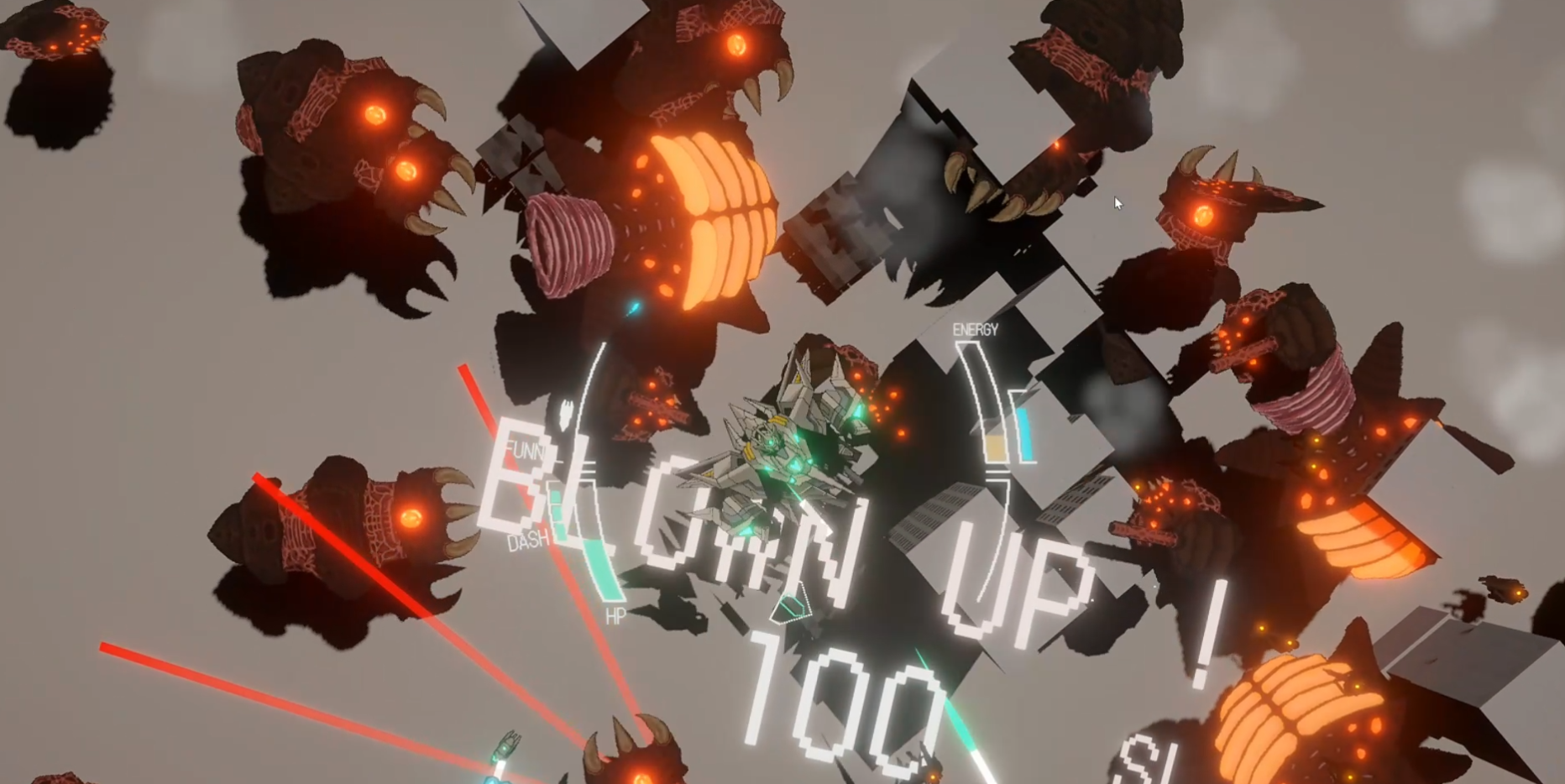
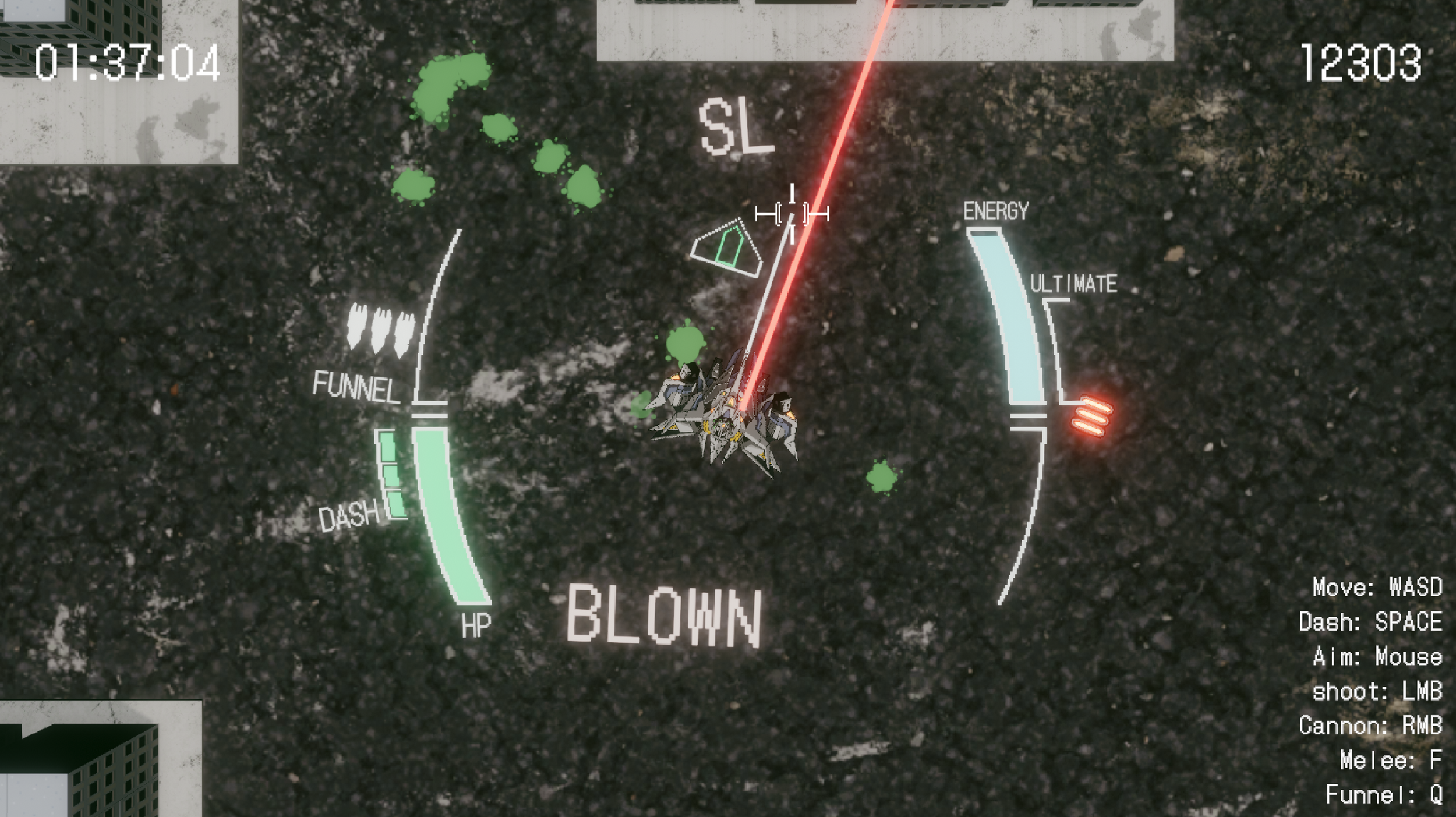
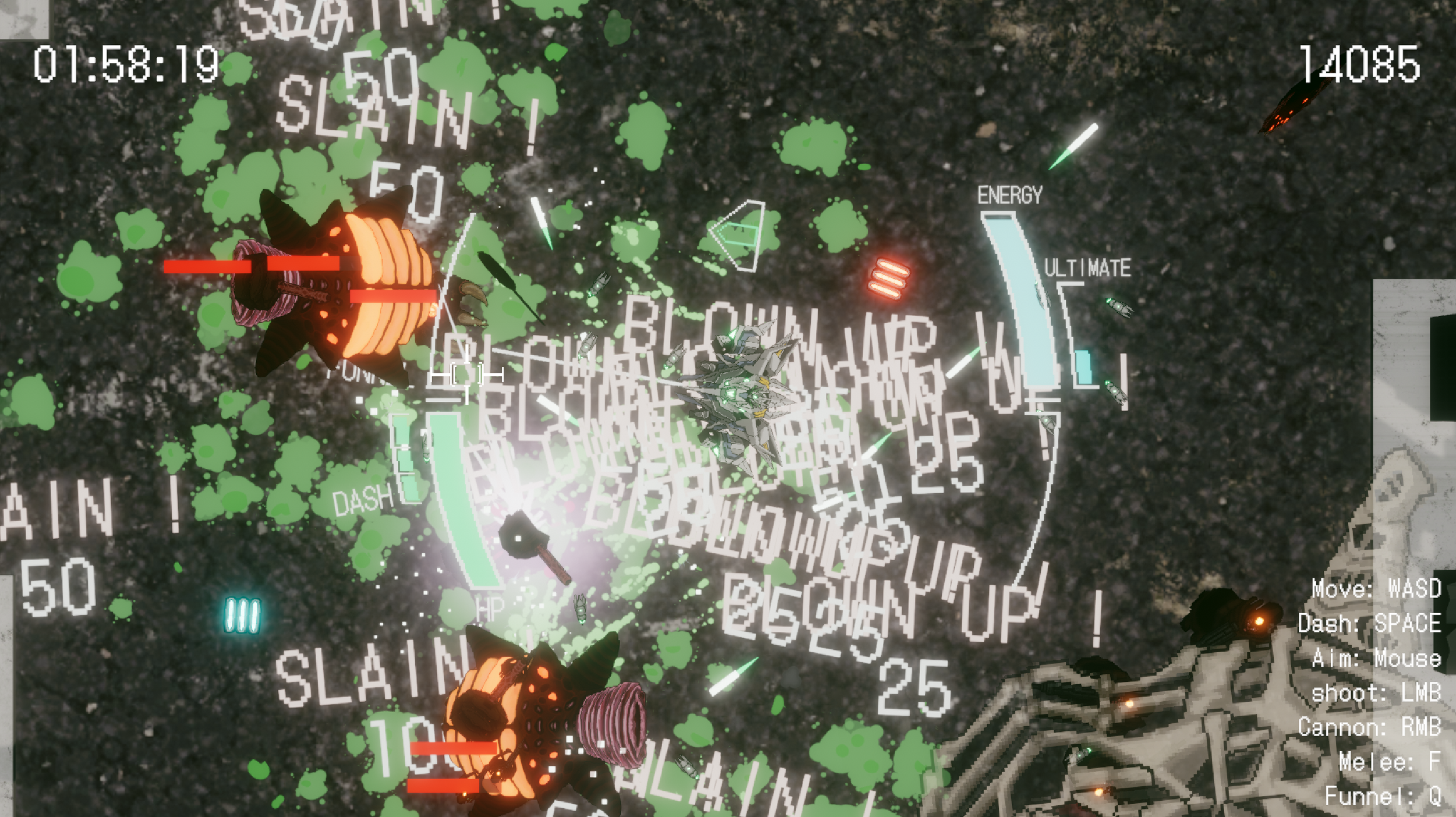
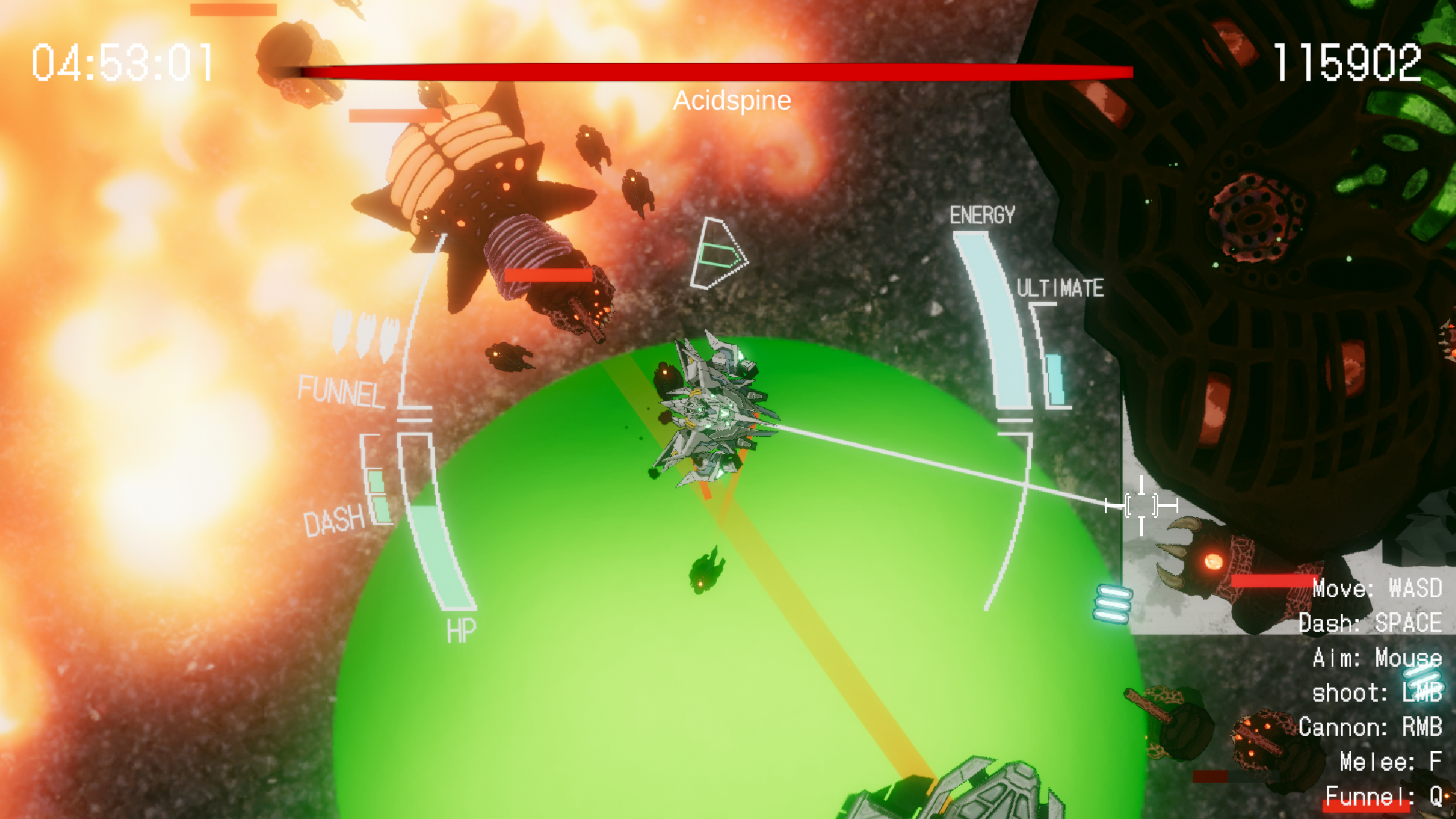
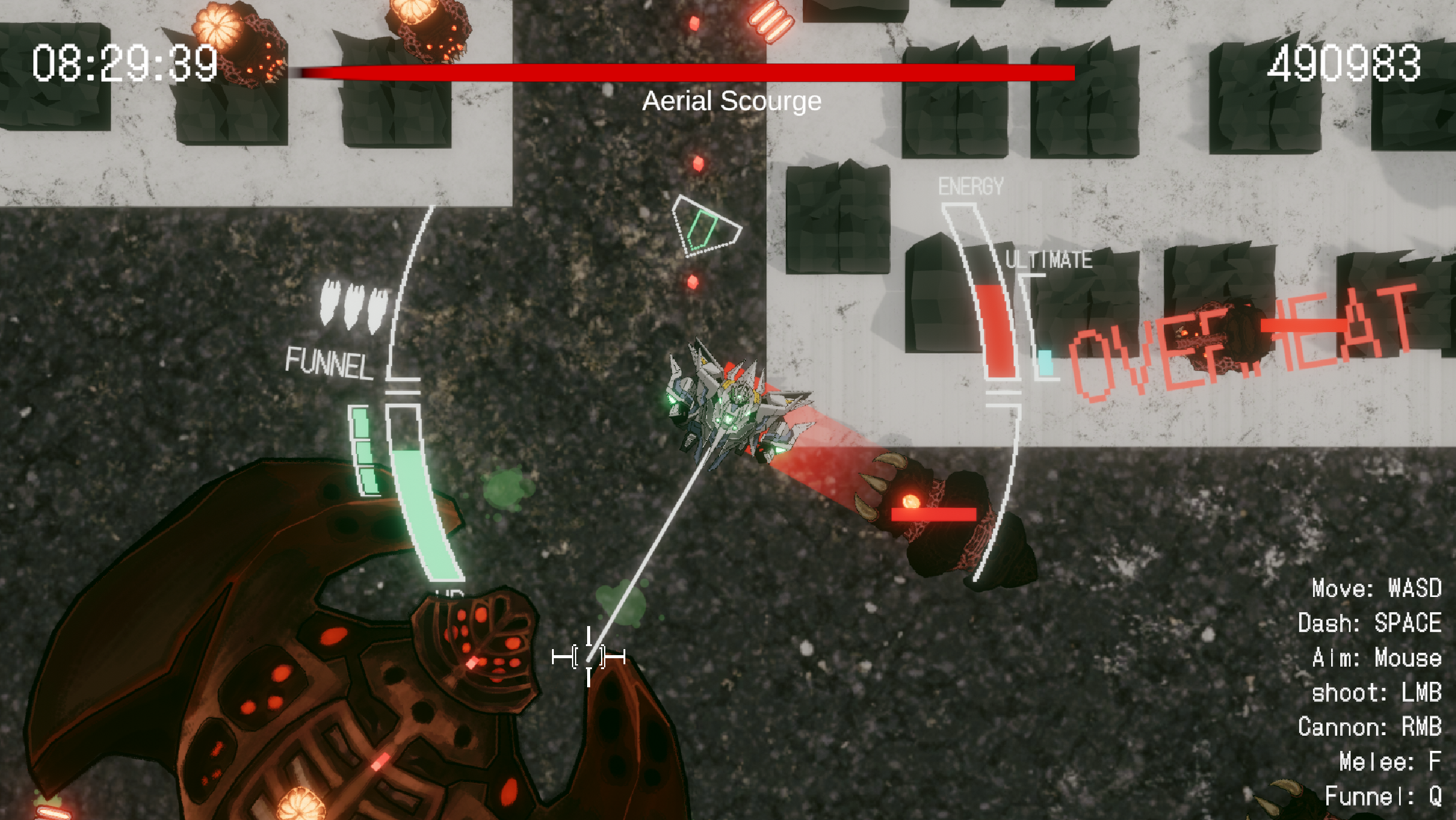
The game features intense, progressively challenging combat where enemy spawn rates and numbers escalate as time advances. Players must master Huntianlong's devastating arsenal of weapons, including energy cannons, funnels, and special abilities, to cut through waves of alien forces.
Victory requires defeating endless enemy waves and conquering five formidable bosses, each with unique attack patterns that push the mech's combat capabilities to the limit.
This project was originally a collaboration with students specializing in creative technology, and I was responsible for the entire game design and development section.
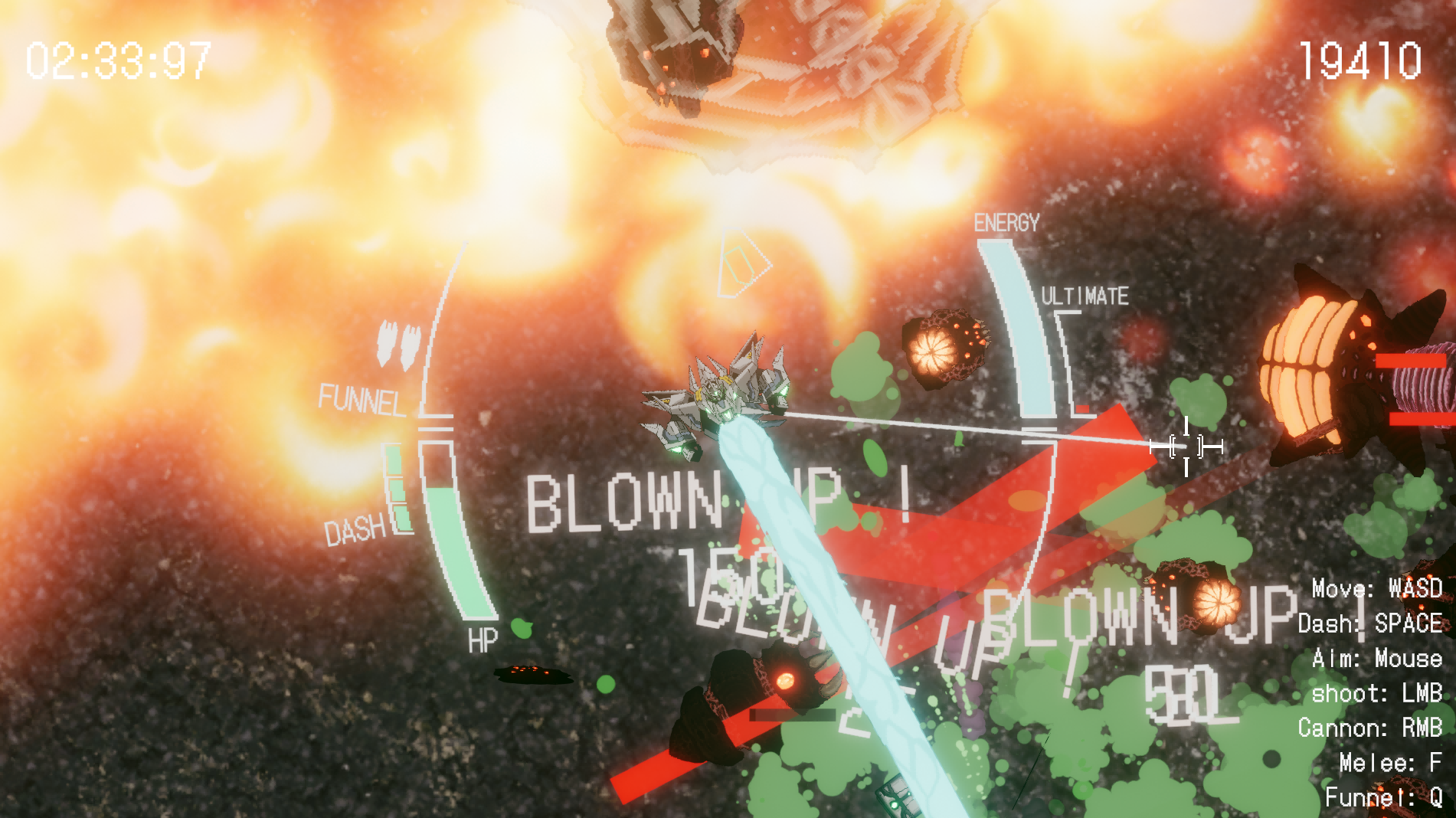
GAME introduction
single-player gameplay demonstration: https://youtu.be/AA59yyj6WrU
trailer version:
feature
Intense 2.5D Top-Down Combat
Fast-paced shooter action from a tactical top-down perspective
Smooth, responsive controls designed to capturing the unique feel of mecha
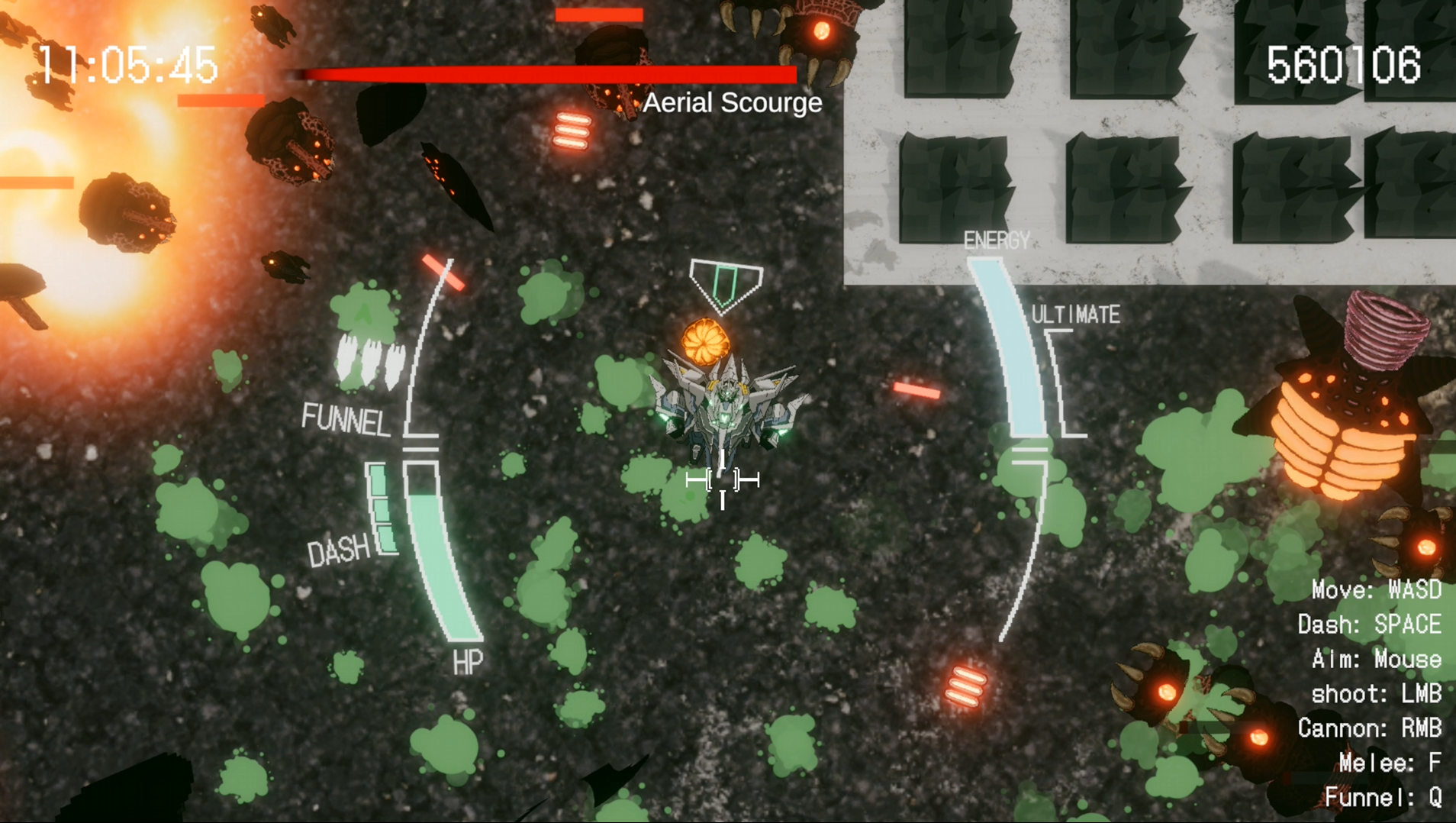
Progressive Difficulty System
Dynamic enemy spawning that intensifies over time
Increasing spawn rates and enemy numbers create escalating tension
Every minute survived brings greater challenges
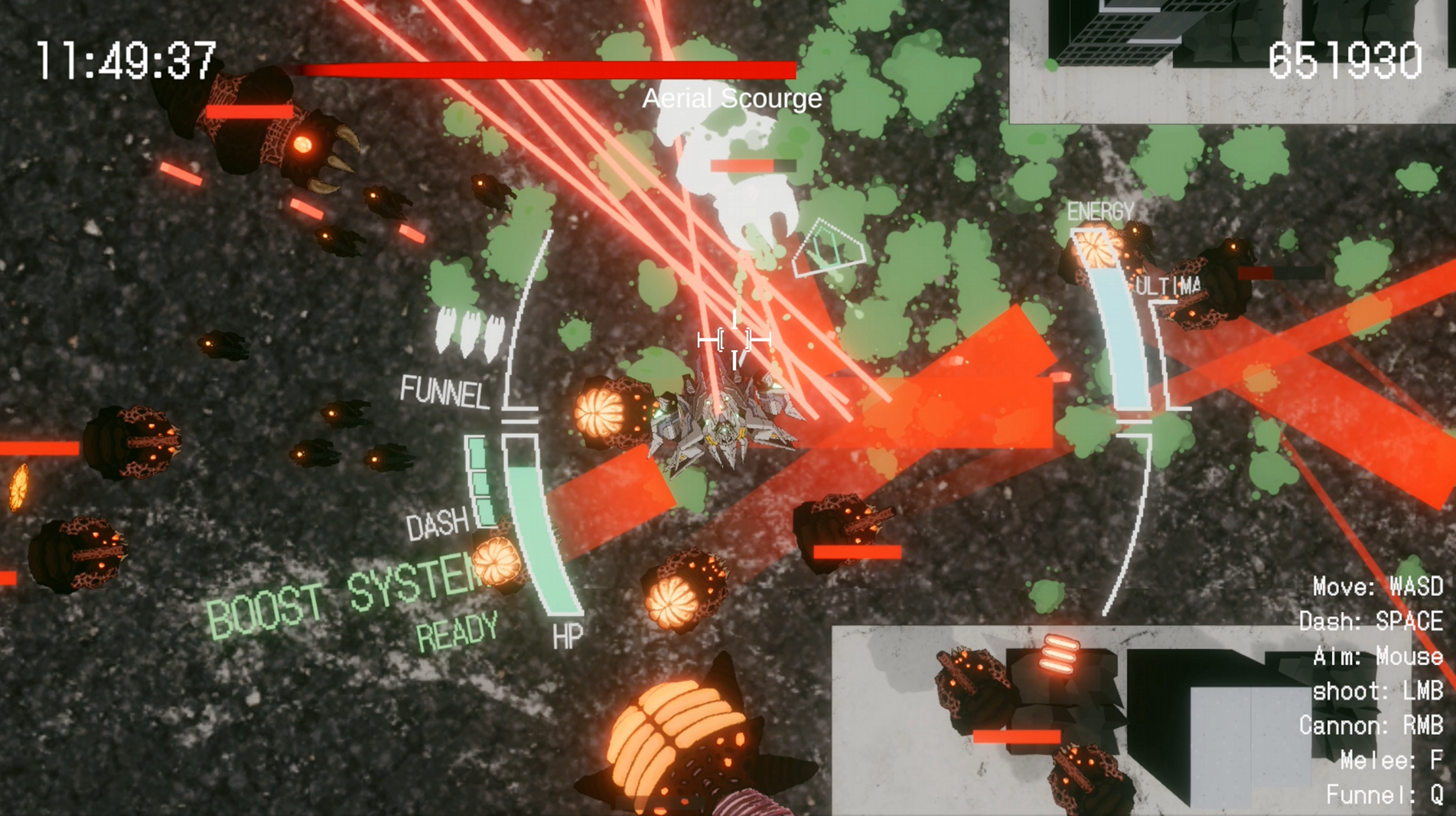
Epic Boss Battles
Face off against 5 unique boss enemies
Each boss features distinct attack patterns and mechanics
Master their behaviors to achieve victory
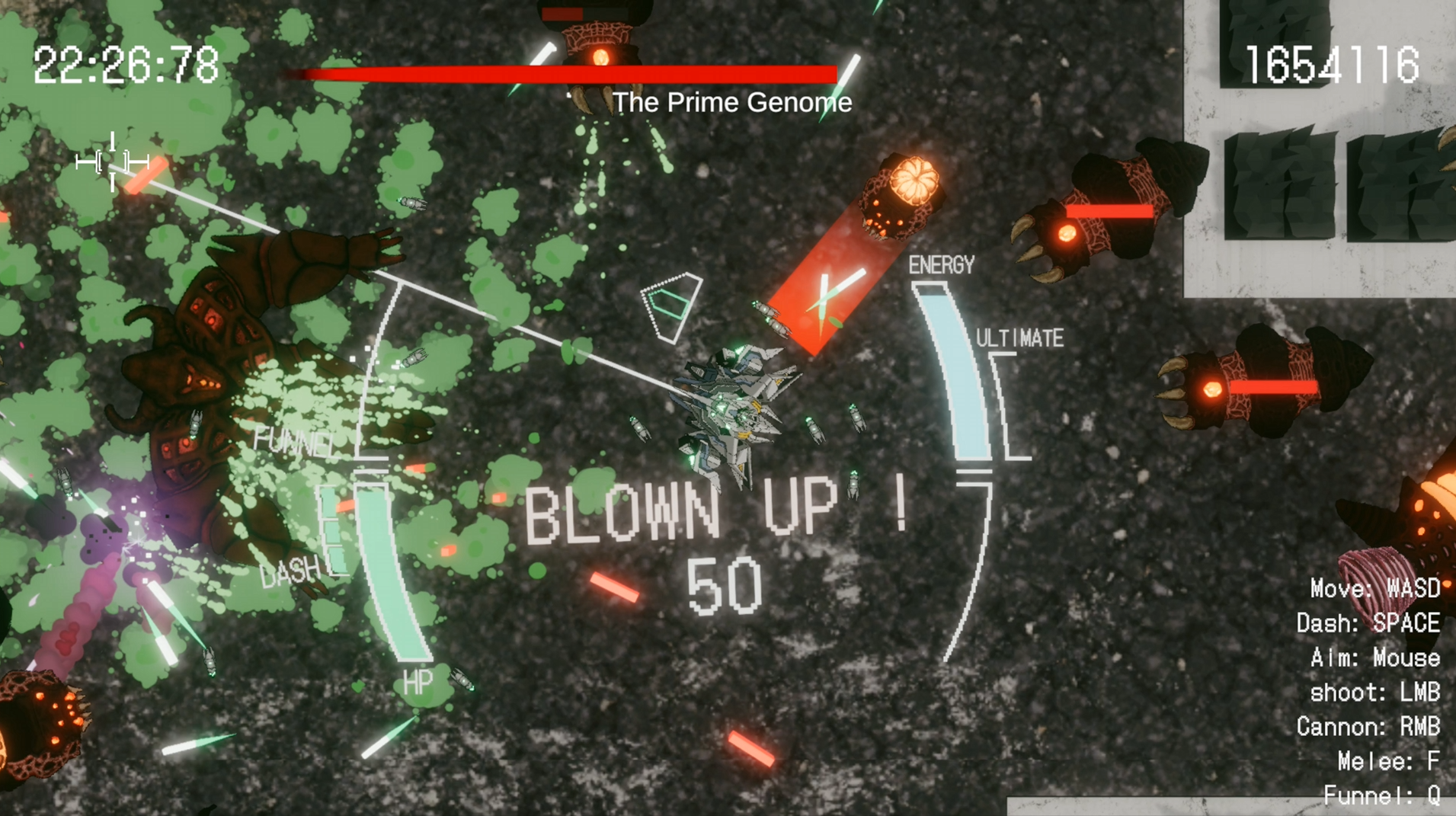
multiple control methods
From keyboards and mice to flight sticks, all can be used in the game.
Delivering an authentic mech piloting experience.
Two players mode
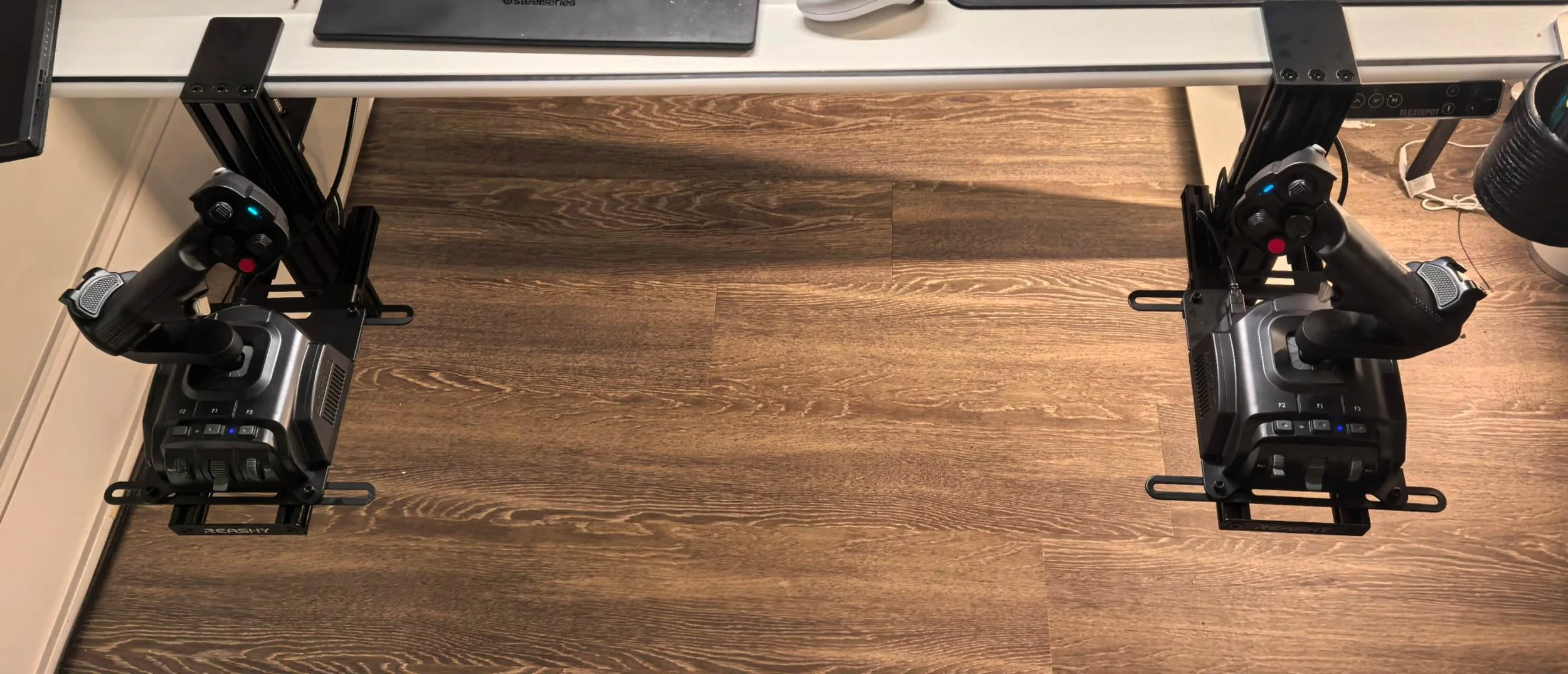
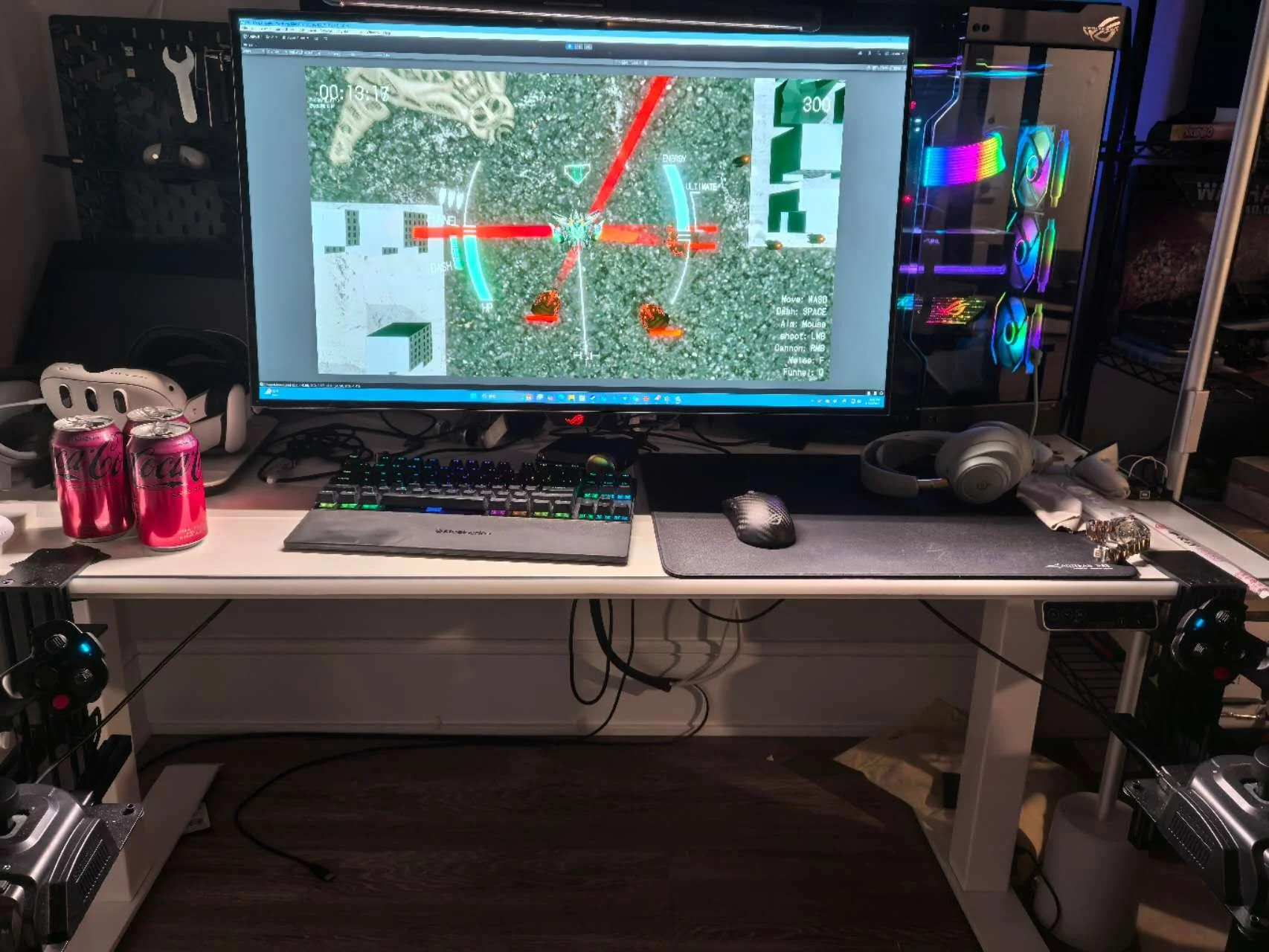
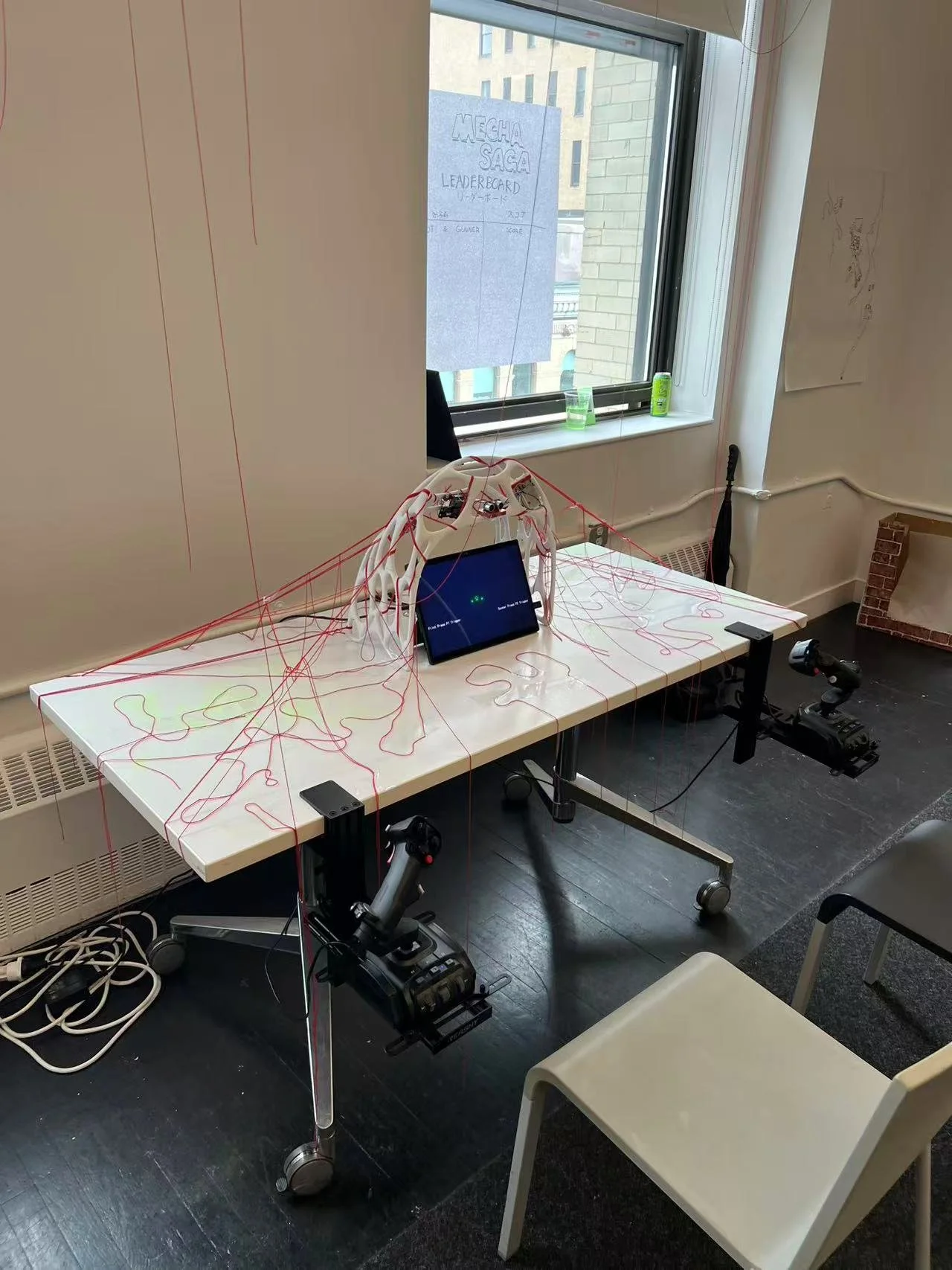
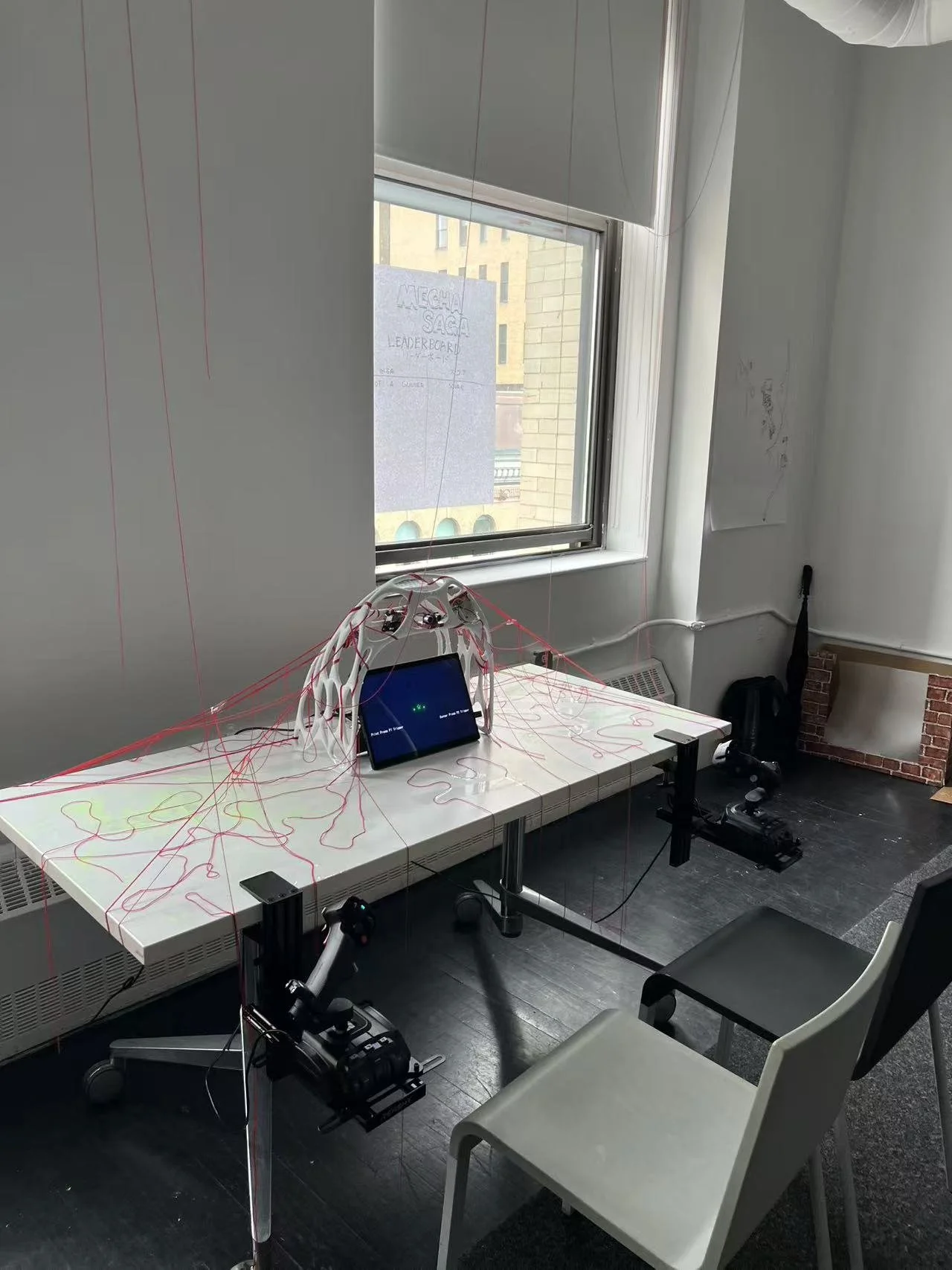
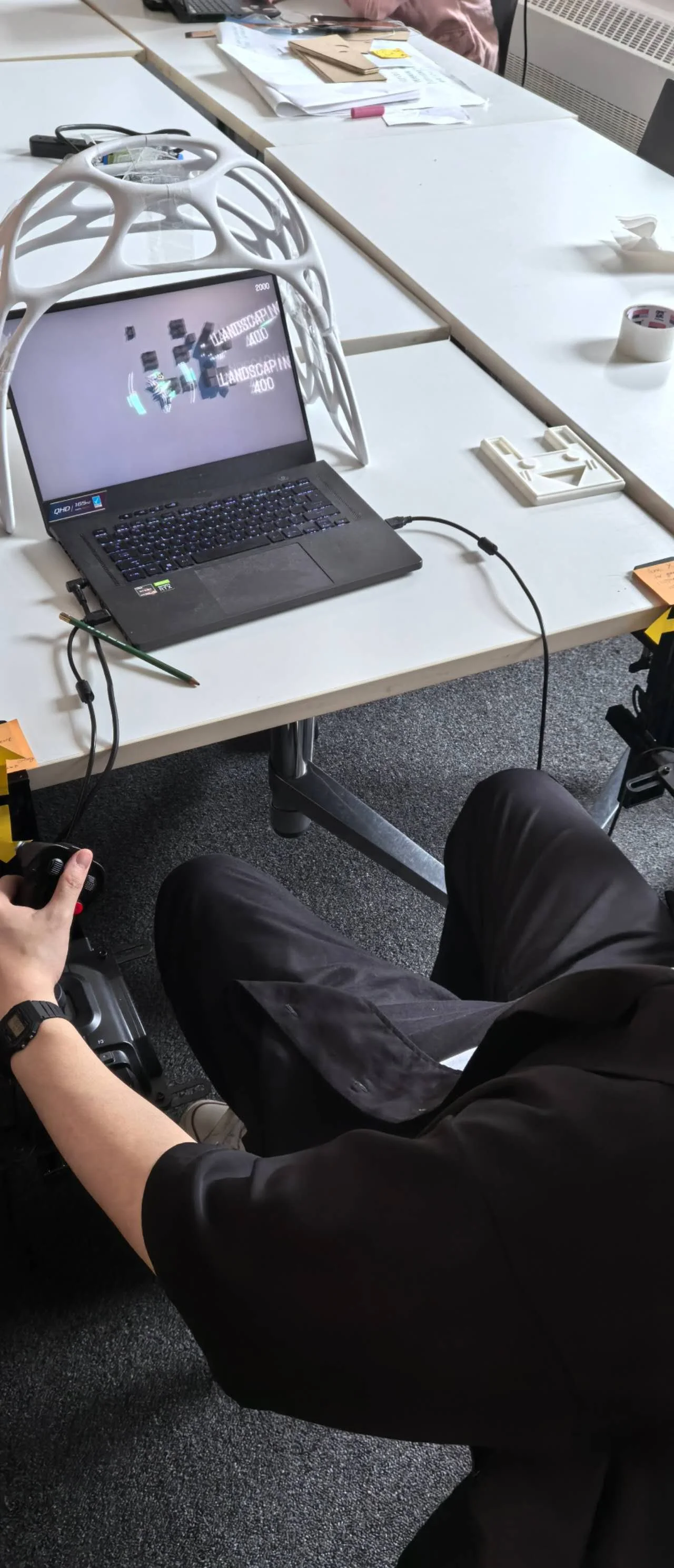
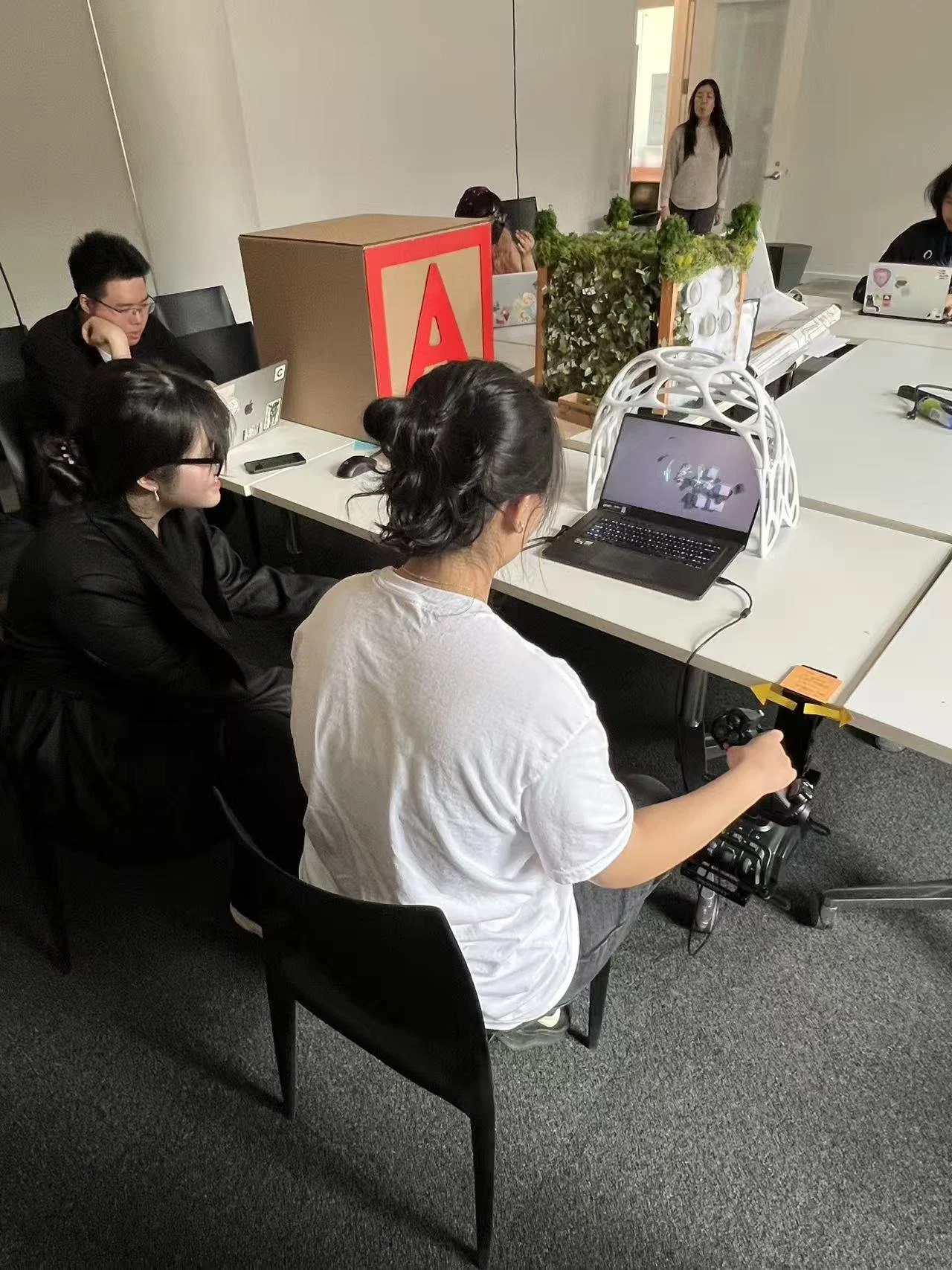
MECHA SAGA is actually a game that supports both single-player and two-player modes. Personally, I even prefer the two-player experience. For single-player, players simply use the keyboard to control movement and the mouse to aim and shoot, just like in traditional top-down games—it's very easy to pick up. For two-player mode, two flight joysticks are required as control devices. I implemented button mapping and binding using Unity's Input System. In co-op mode, the mech's upper and lower halves are controlled separately, dividing roles into gunner and pilot (much like sci-fi fighter cockpits). This makes coordination and communication crucial in multiplayer—chaotic controls make it nearly impossible to land effective attacks (aiming becomes extremely difficult). Moreover, certain attacks require both players to press buttons simultaneously to execute, significantly emphasizing the necessity of cooperation between the two players. (To make it accessible to more players, the version uploaded to itch.io does not include features requiring both players to press the trigger button simultaneously to start the game, use weapons, or activate Ultimate abilities.)
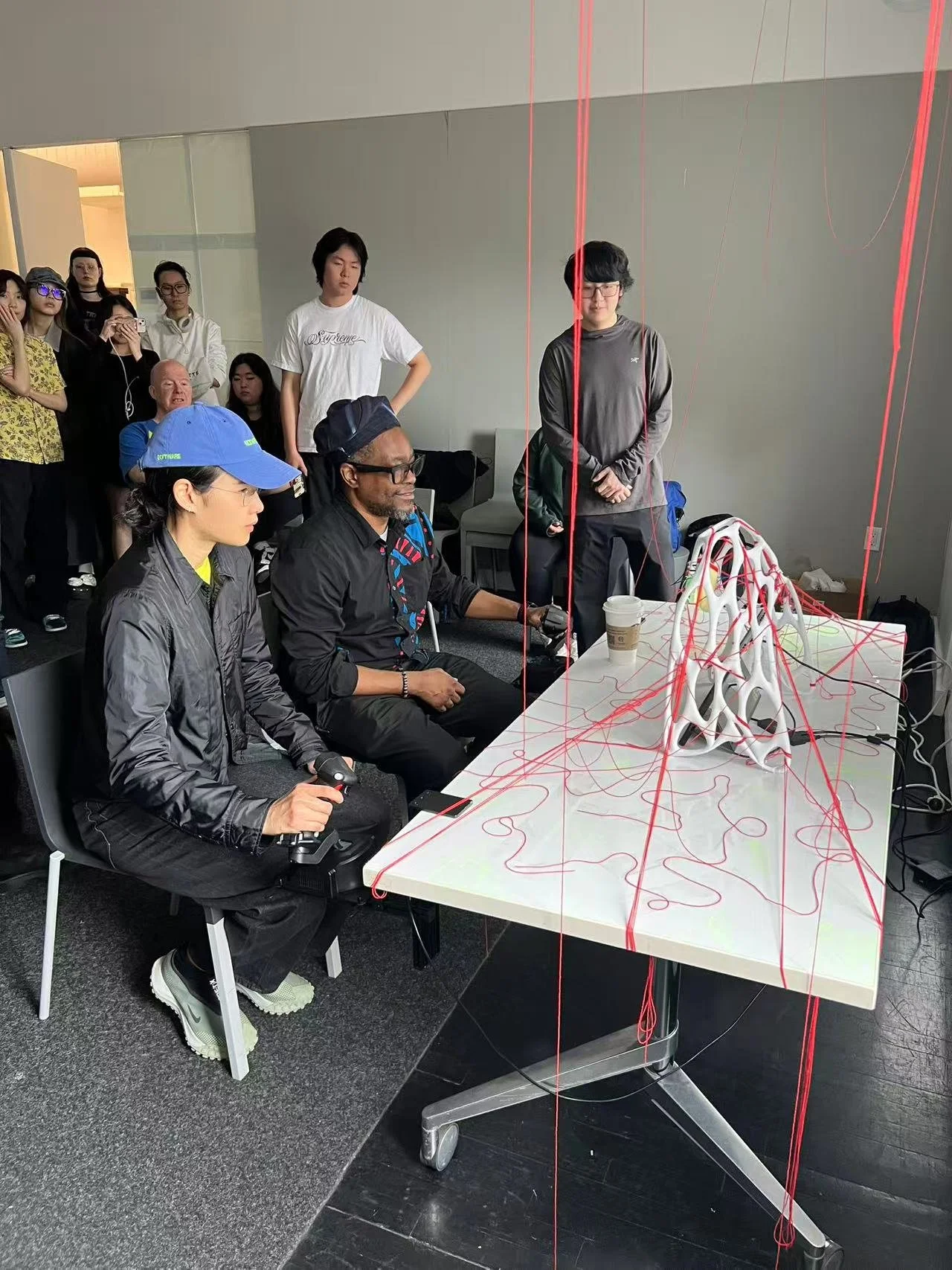
During the class presentation, we used yarn, phosphorescent powder, and a 3D-printed shell to convey JIWO's organic aesthetic.
👈This is me
SETTINGS
In 2075, the New Cold War sparked by friction among Earth's three major military-political alliances ended completely through collective effort and mutual trust (details available in my other tabletop game project). Humanity established a new federal government.
In 2125, during celebrations marking the 50th anniversary of the Human Federation, the Jiwo aliens from 724 light-years away suddenly invaded Earth.
Their highly advanced biotech poison mist swiftly engulfed cities, collapsing military defenses within days and pushing human civilization to the brink of extinction. Amidst chaos and despair, a long-sealed mech—the HUNTIANLONG, once deemed a failed military experiment—was forced into reactivation as the sole unit capable of operating within the toxic fog.
As frontlines collapsed, humanity's remnants retreated to their last city: Oberon.
Jiwo's biological weapons closed in layer by layer... paving the way for some greater entity. Within this crumbling city, the HUNTIANLONG must breach layer upon layer of defenses to confront the core source of Jiwo's power.
Whether the HUNTIANLONG ultimately reaches the enemy's heart, and what this battle will truly change...
Only those who step onto the battlefield will know the answer.
PRECEDENTS RESERACH
INSPIRATION
INSPIRATION
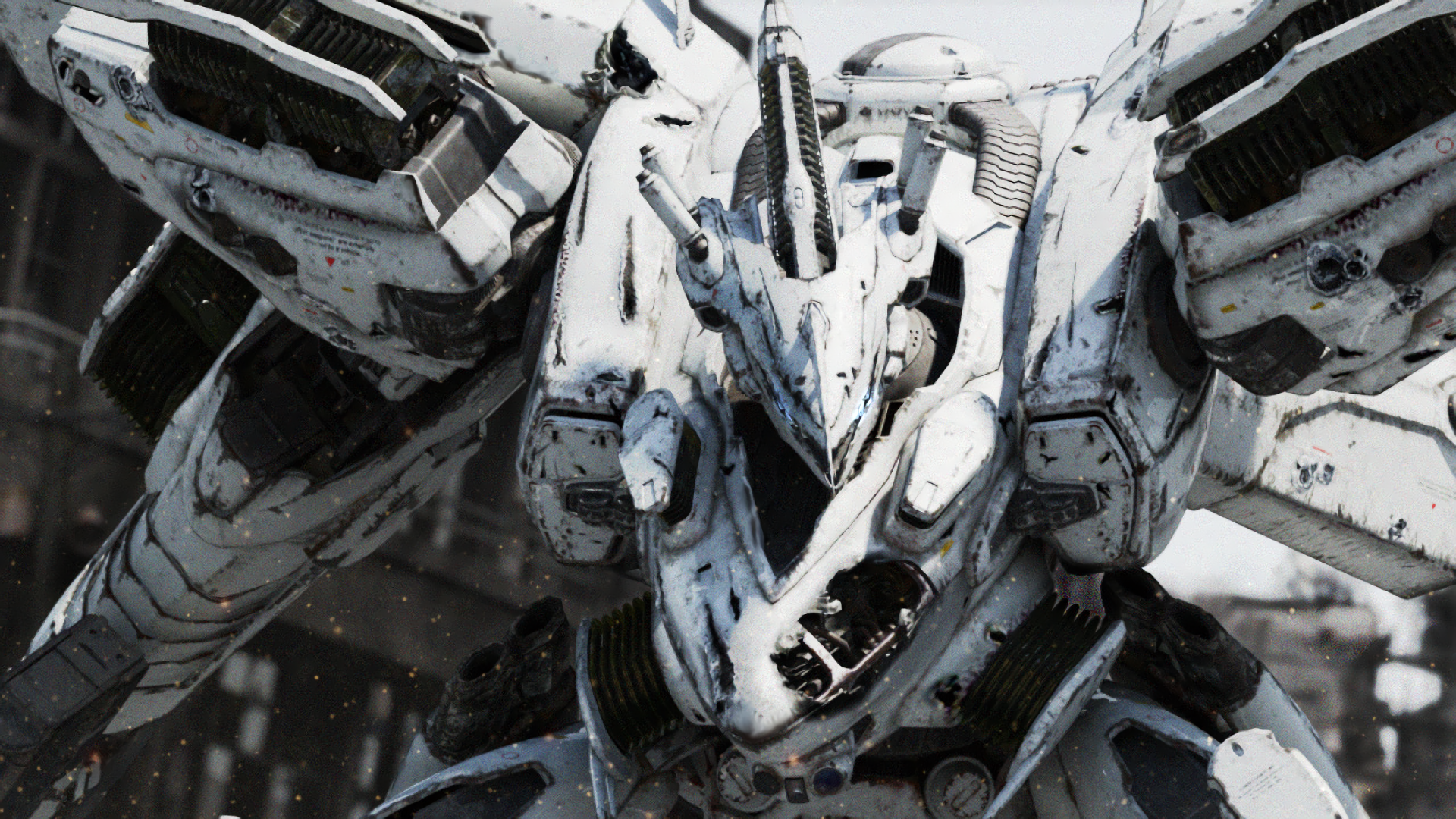
Armored Core
video game series.
1997(First game)
From Software
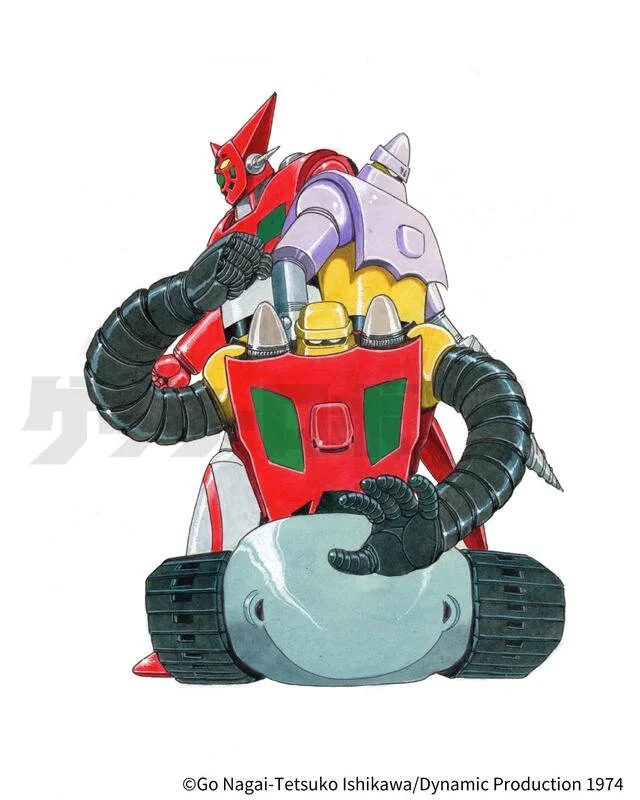
Getter Robo
mecha media franchise
1974(animation)
Ken Ishikawa, Go Nagai
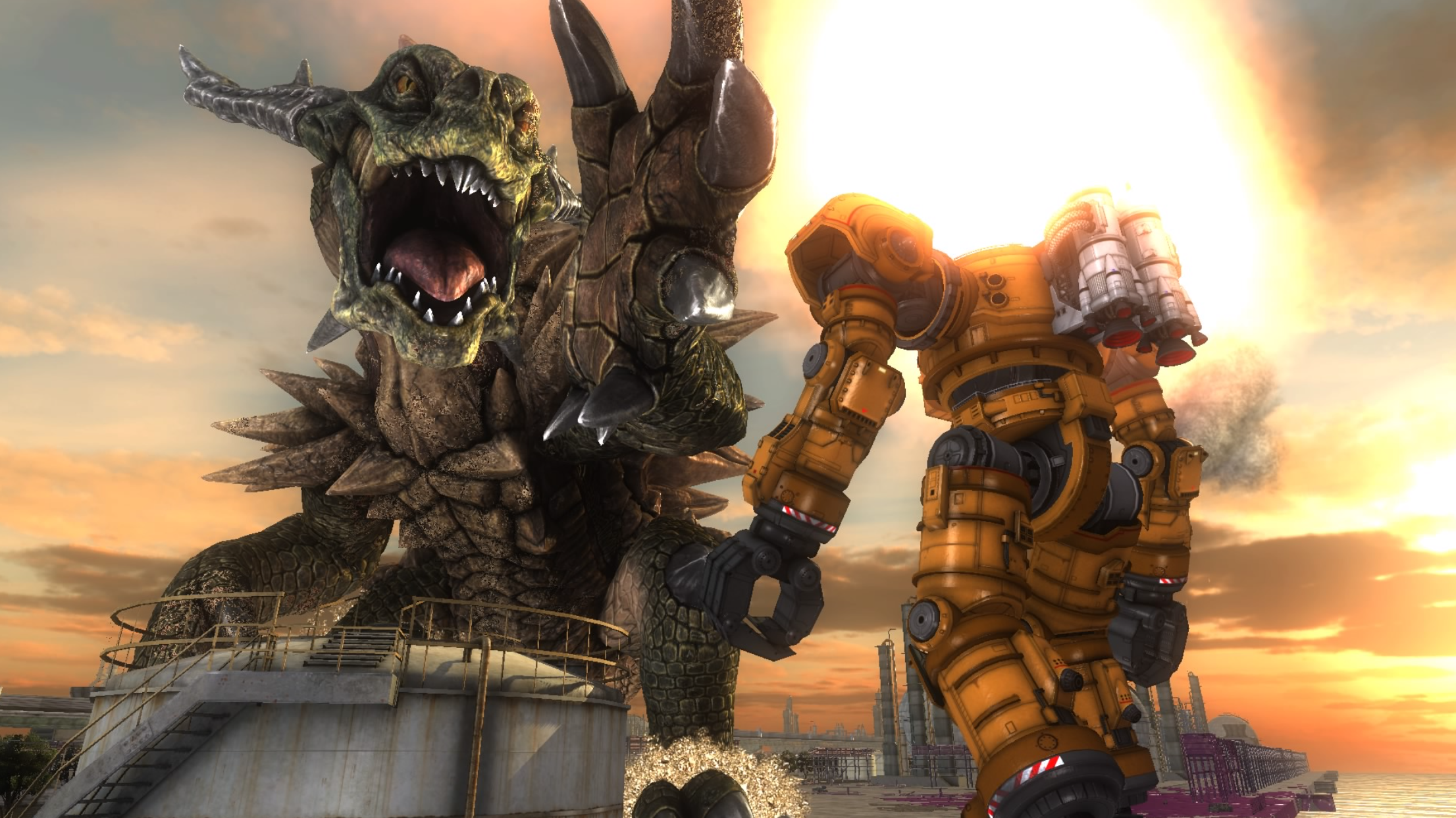
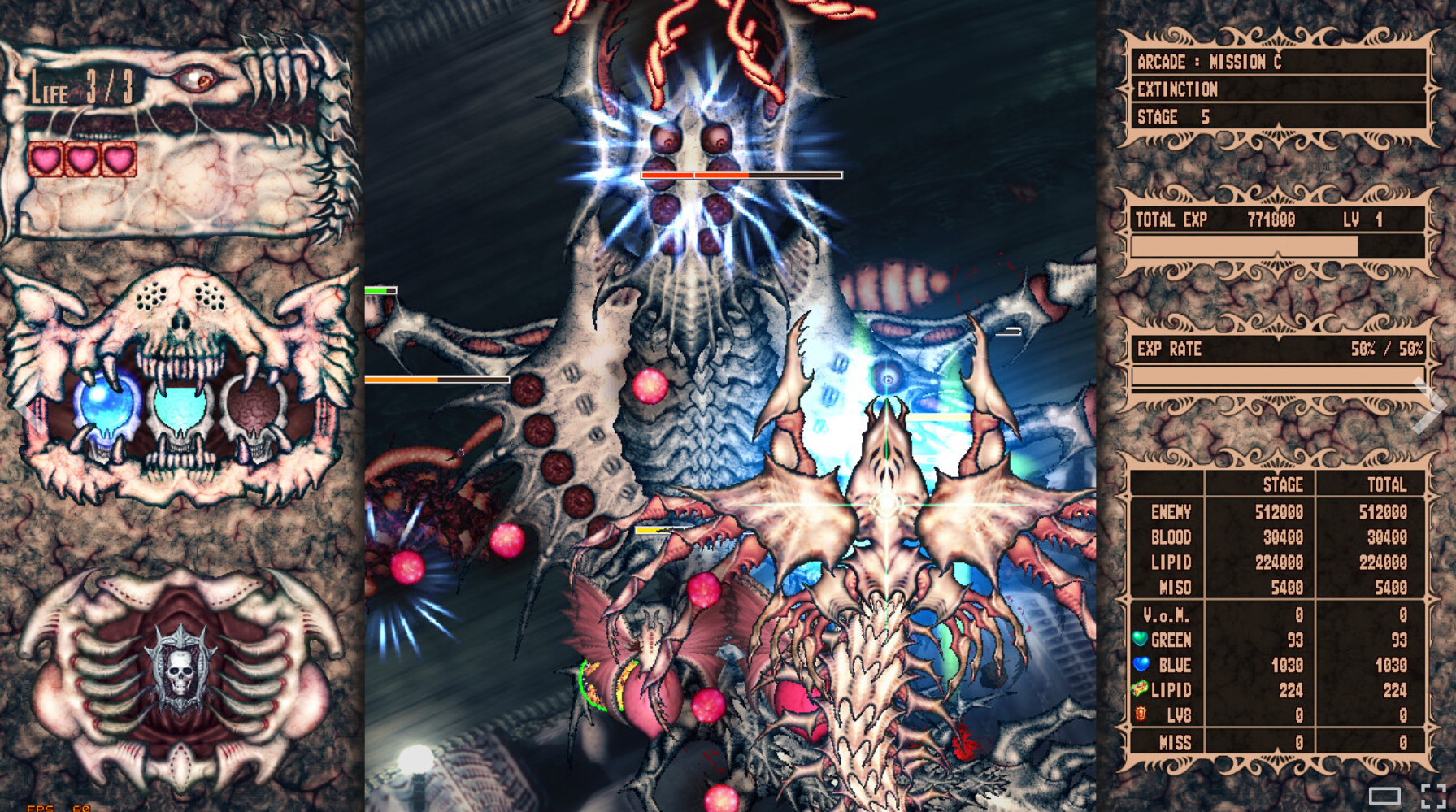
Earth Defense Force
video game series.
2002(first game)
D3 Publisher
The works I selected as precedents are all pieces I genuinely love, and they have profoundly shaped both my creative direction and design philosophy.
Getter Robo tells the story of three pilots operating a powerful, ever-evolving machine to defend Earth from enemies originating from space—or even from the planet’s own depths. Its recurring theme of sacrifice greatly influenced the tone of my own narrative, pushing me toward a more tragic yet resolute depiction of humanity’s counterattack. I also drew inspiration from its unique three-pilot system when designing Mecha Saga’s dual-pilot control mechanism.
Armored Core has also left a deep imprint on me. The series’ distinctive sense of weight, metallic impact, and fast-paced combat is incredibly compelling, and I worked hard to recreate that heavy, large-mecha handling in my own game. Additionally, Armored Core’s fragmented, oppressive worldbuilding inspired me to leave intentional “gaps” and suspense in my story, encouraging players to piece together the narrative rather than passively receive information.
Although Angel of Dusk is a STG game with relatively few mechanical innovations compared to classics like Raiden, its powerful post-apocalyptic atmosphere and overall flow provided significant inspiration. I realized the STG structure—progressively facing new bosses as the game advances—fits Mecha Saga extremely well, delivering a unique sense of escalation and impact. I’m also deeply fond of Blue Gender’s art direction, which reminds me of artists such as H. R. Giger, Tsutomu Nihei, and Zdzisław Beksiński. Much of my enemy design draws directly from the aesthetic sensibilities of these creators.
Finally, the Earth Defense Force series is one of my long-time favorites. Even though the newest entries still look like early-2010s 3D games, their distinctive combat atmosphere and overwhelming sense of scale create a special kind of “chaotic chemistry.” The sheer amount of explosions, disorder, and even darkly humorous dialogue showed me how intentional chaos can be used to communicate overwhelming force. This inspired me to include destructible buildings and enemy explosions throughout Mecha Saga to recreate that same chaotic energy.
Angel of Dusk
STG (video game )
2024
Akiragoya
CHARACTER DESIGN(huntianlong)
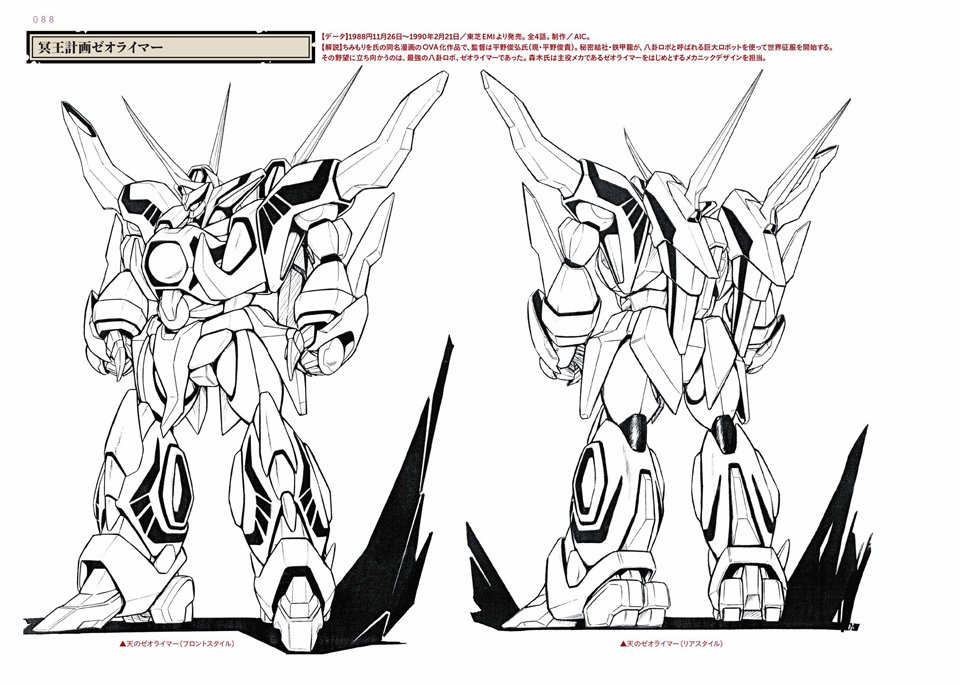
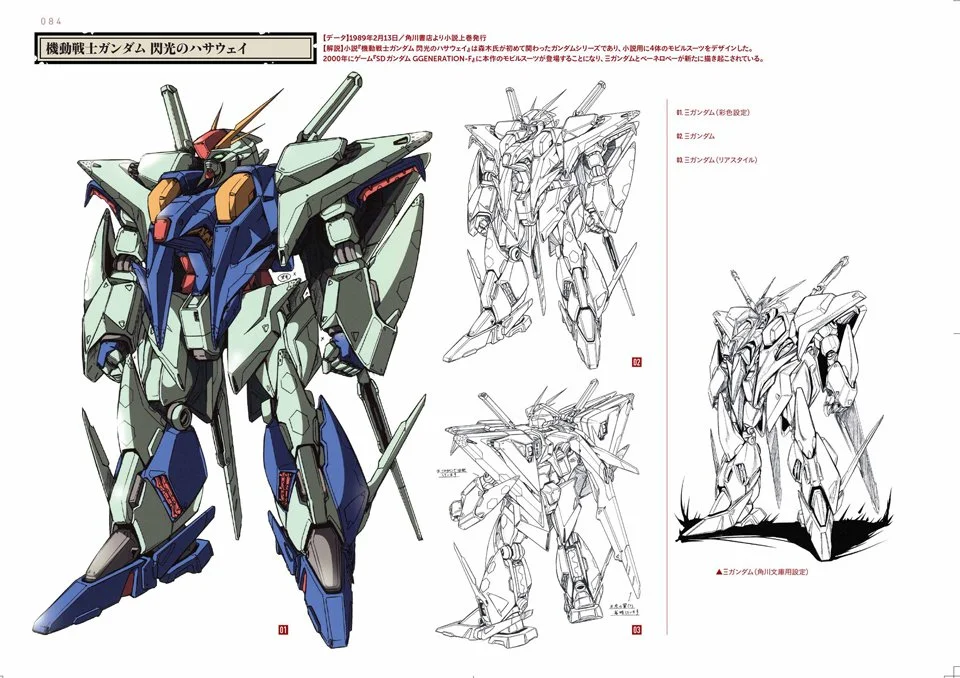
Mecha designs by Yasuteru Moriki 👆
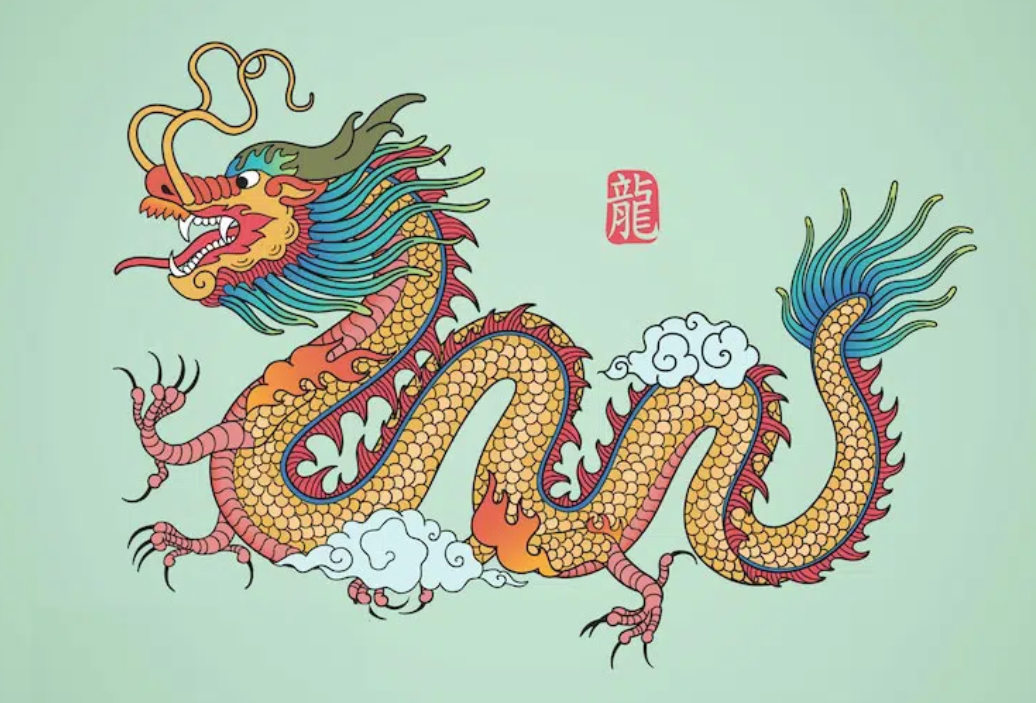
Chinese dragon “long”
The name “混天龙 (Huntianlong)” is inspired by the Song-dynasty water-control device “混江龙 (Hunjianglong)”, a heavy engineering tool used to dredge rivers and push back flood debris. Historically, it symbolized humanity’s struggle against natural chaos—an instrument that carved out a path for survival amid turbulent waters.
In my project, I extend “river” (江) to “sky” (天), transforming the original metaphor of flood-resistance into a symbol of confronting alien pressure, and an apocalyptic world on the verge of collapse.
Thus, “Huntianlong” becomes not just a weapon, but the final hope capable of cutting a path through the overwhelming tides of the end times.
The overall design of Huntianlong is heavily influenced by the mecha works of Yasuteru Moriki. Moriki’s designs often feature sharp silhouettes, exposed structural elements, and a powerful sense of intimidation—sometimes even carrying an almost “sinister” aura. This aesthetic became a key reference for me when shaping Huntianlong, helping me build a machine that projects overwhelming pressure toward its enemies.
For the head design, I incorporated visual elements from the traditional Chinese dragon. By merging dragon-like horns, forehead structures, and facial contours with mechanical forms, I aimed to embed cultural symbolism within pure mechanical language. As a result, Huntianlong is not only a weapon, but also a symbol of protection and willpower.
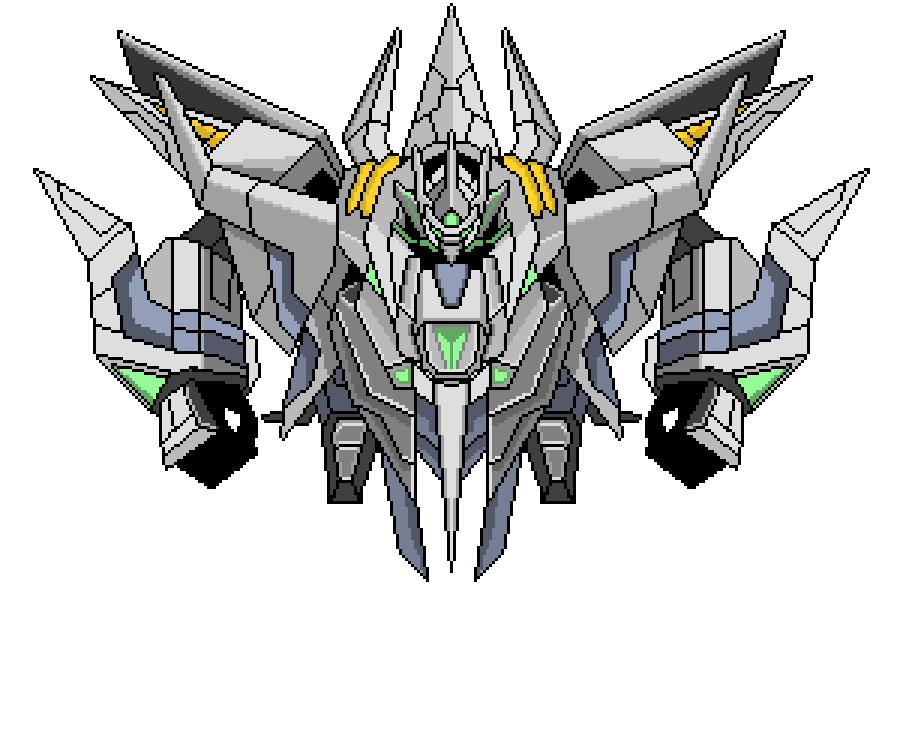
2D Huntianlong by me👆
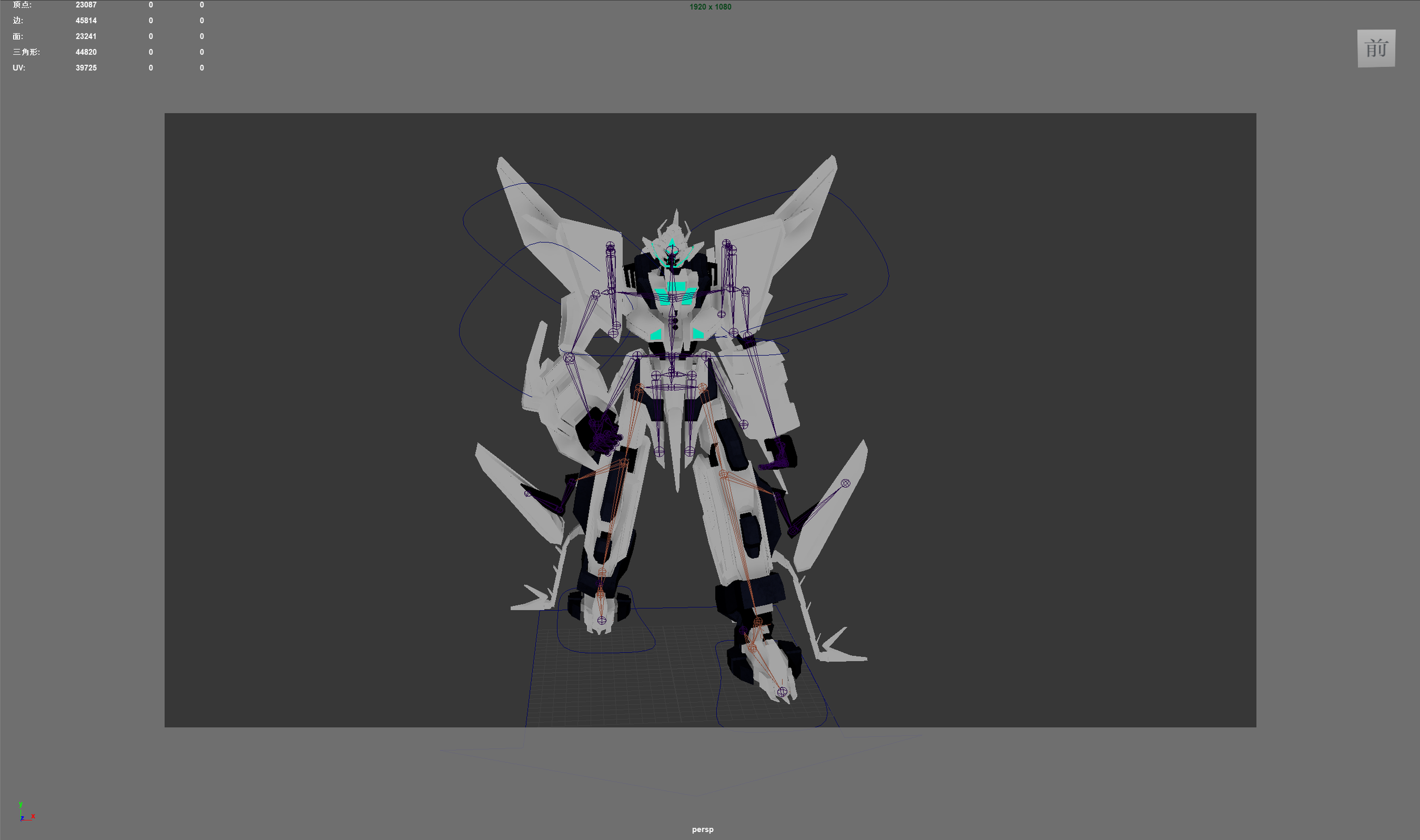
3D Huntianlong design by me👆
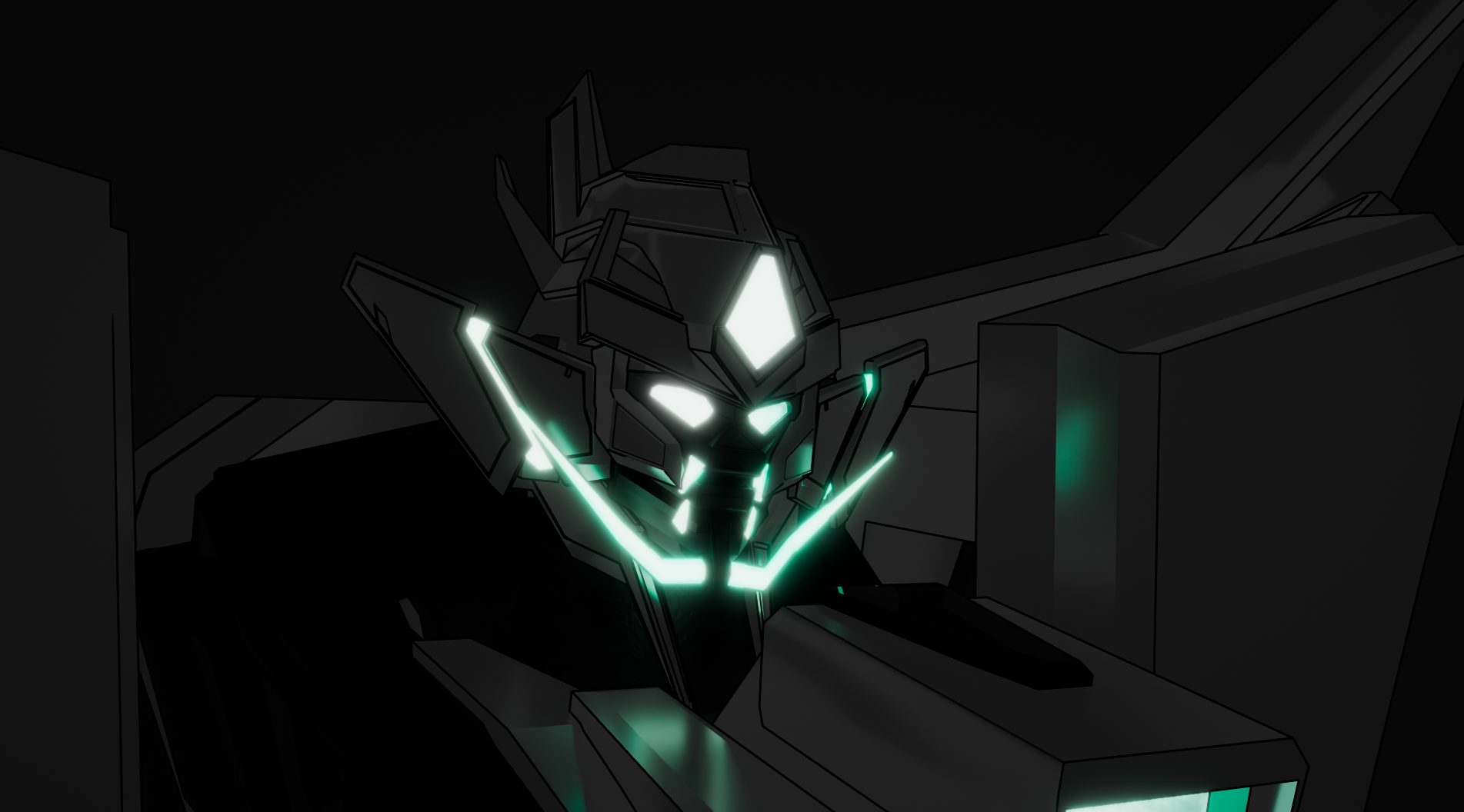
Huntianlong’s head
CHARACTER DESIGN(eNEMIES)
What is JIWO?
Jiwo is written in Chinese as “棘涴,” a word I coined. ‘棘’ means thorn or brier in Chinese, while ‘涴’ signifies soiling or contamination in Chinese. Thus, their backstory originates from a severely polluted planet, where extensive bodily modifications enabled adaptation to their toxic-gas-filled homeworld.
Inspiration
Their designs were heavily influenced by H.R. Giger and Zdzisław Beksiński, whose artworks and designs both embody a fusion of flesh and machinery—a quality also reflected in my work, where every enemy has a flesh and tech modification. So they all look very much like tanks or aircraft forged from flesh and blood.
I actually enjoy drawing monsters with unusual appearances in my spare time. I find the process incredibly fun and thoroughly enjoyable. However, I feel my current monster designs are still a bit “conservative,” and I hope to create more interesting monsters in the future.
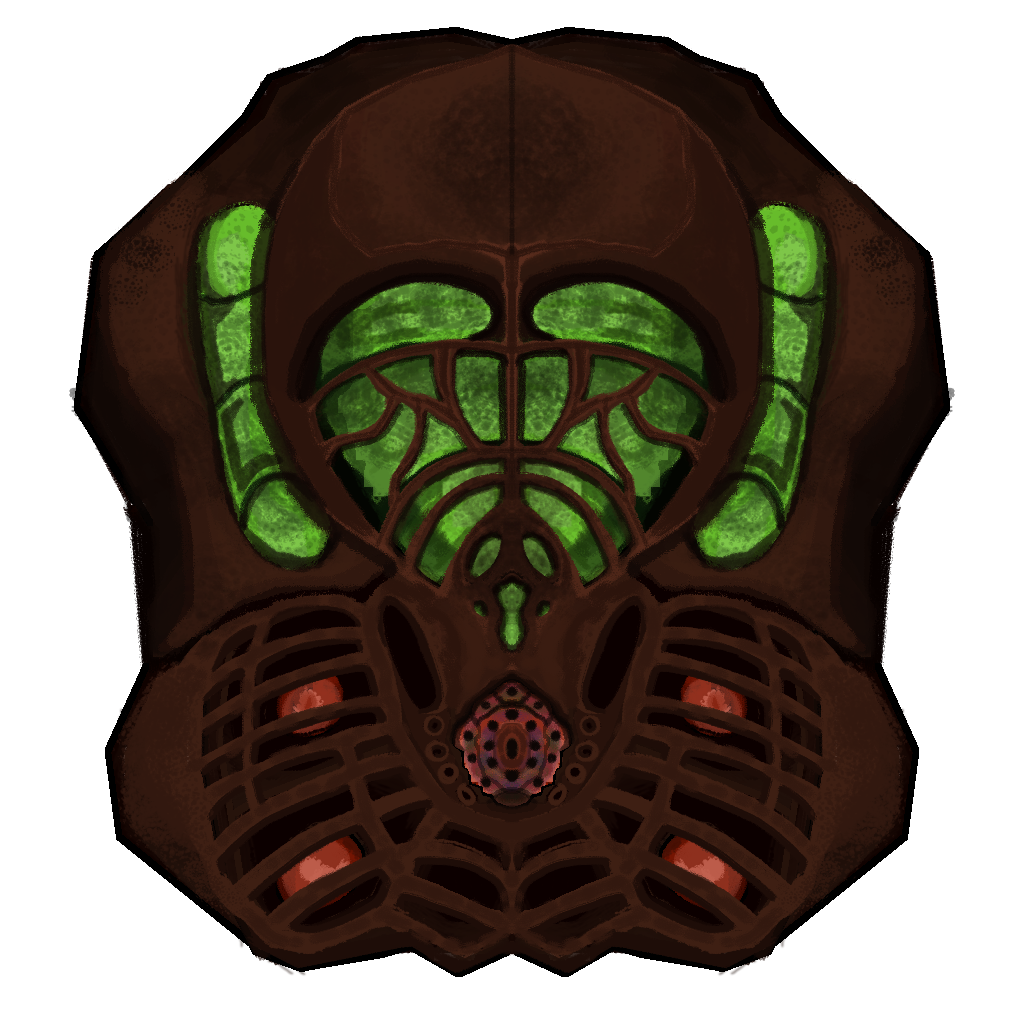
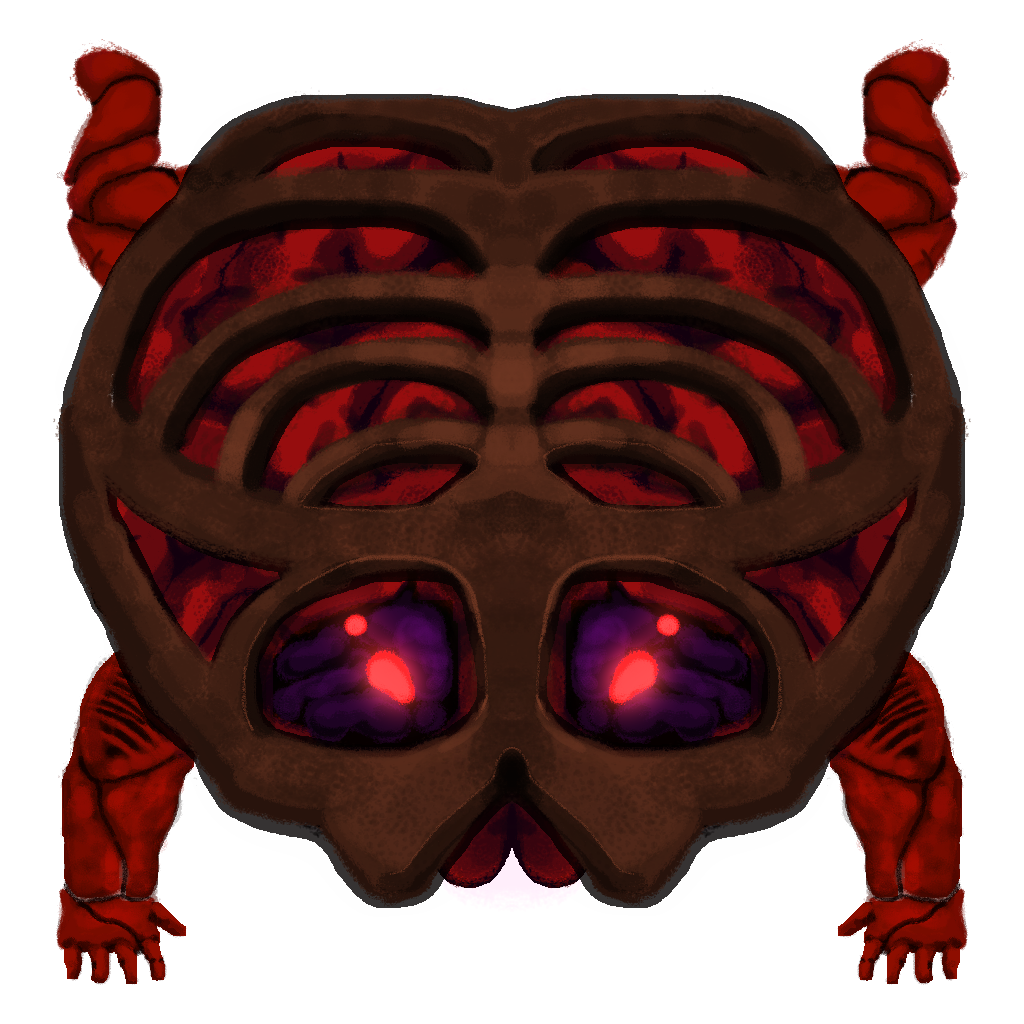
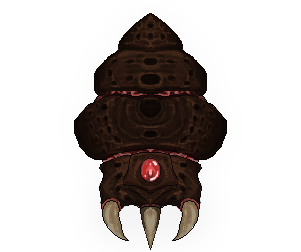
Part of the enemies in the game
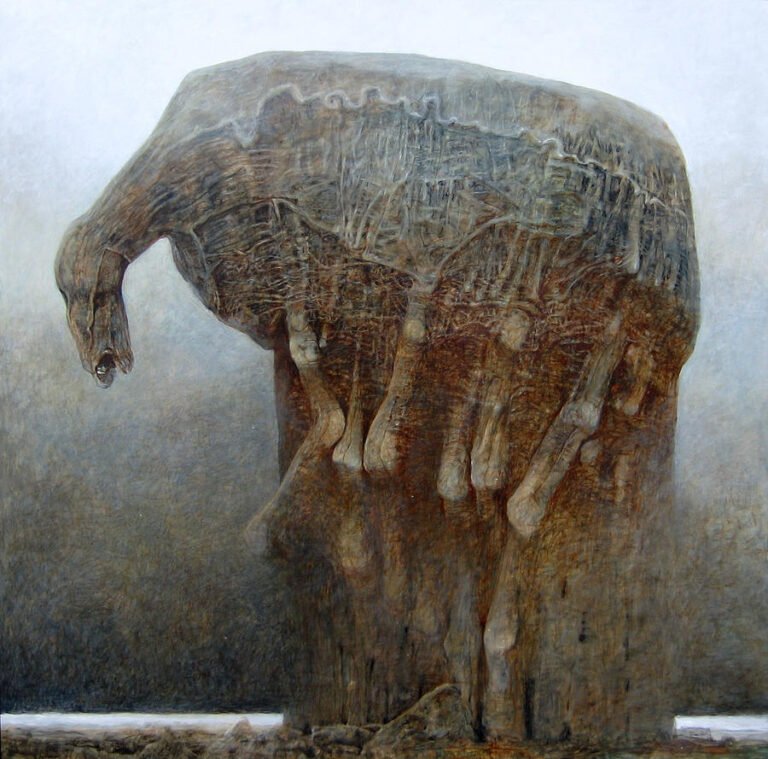
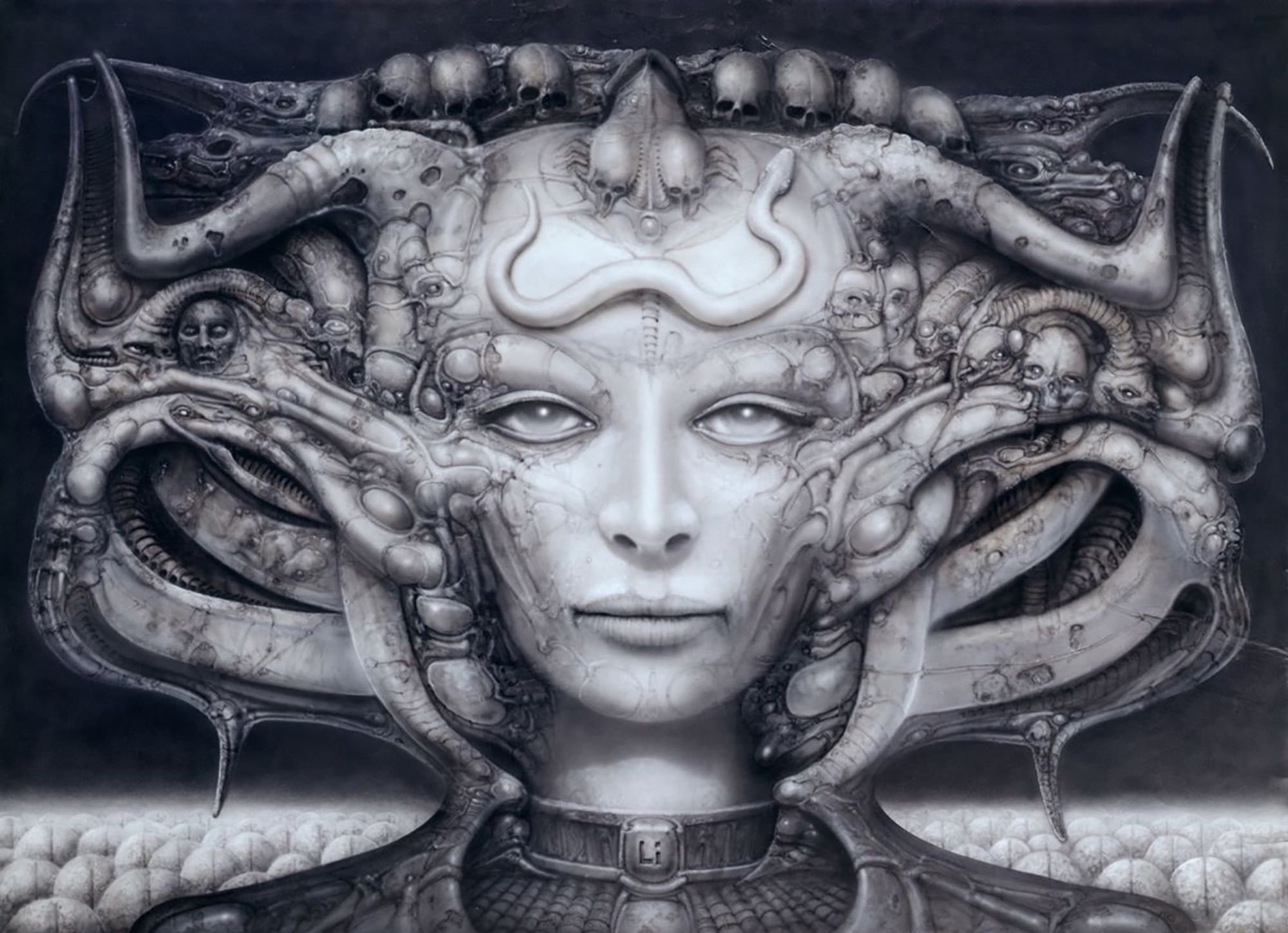
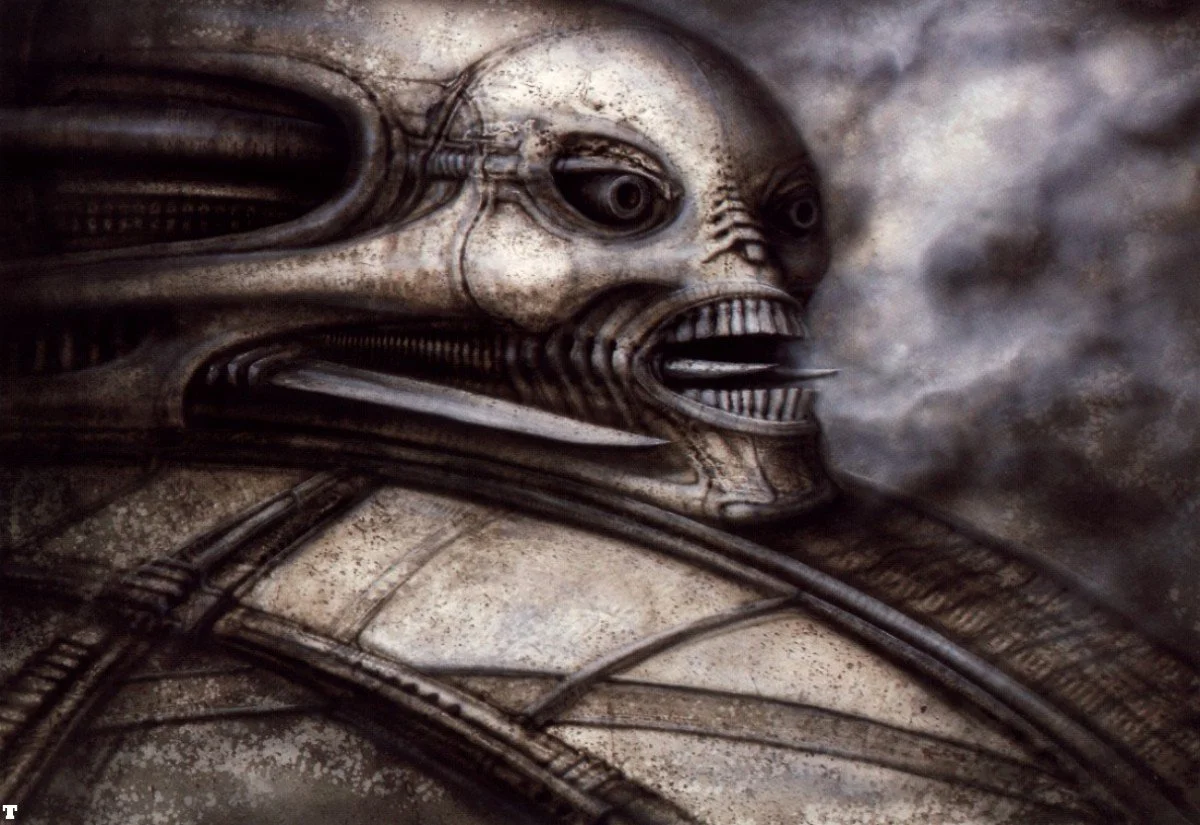
Selected works by H.R. Giger and Beksiński

I use Unity as my game engine.

I use Maya for 3D modeling.
production
The building model was created using Magical Voxel.
I used Marmoset Hexels to create all the 2D sprites.

I used Substance Painter to create all the terrain materials.

I used Premiere Pro to composite some of the video.
playtest and prototype
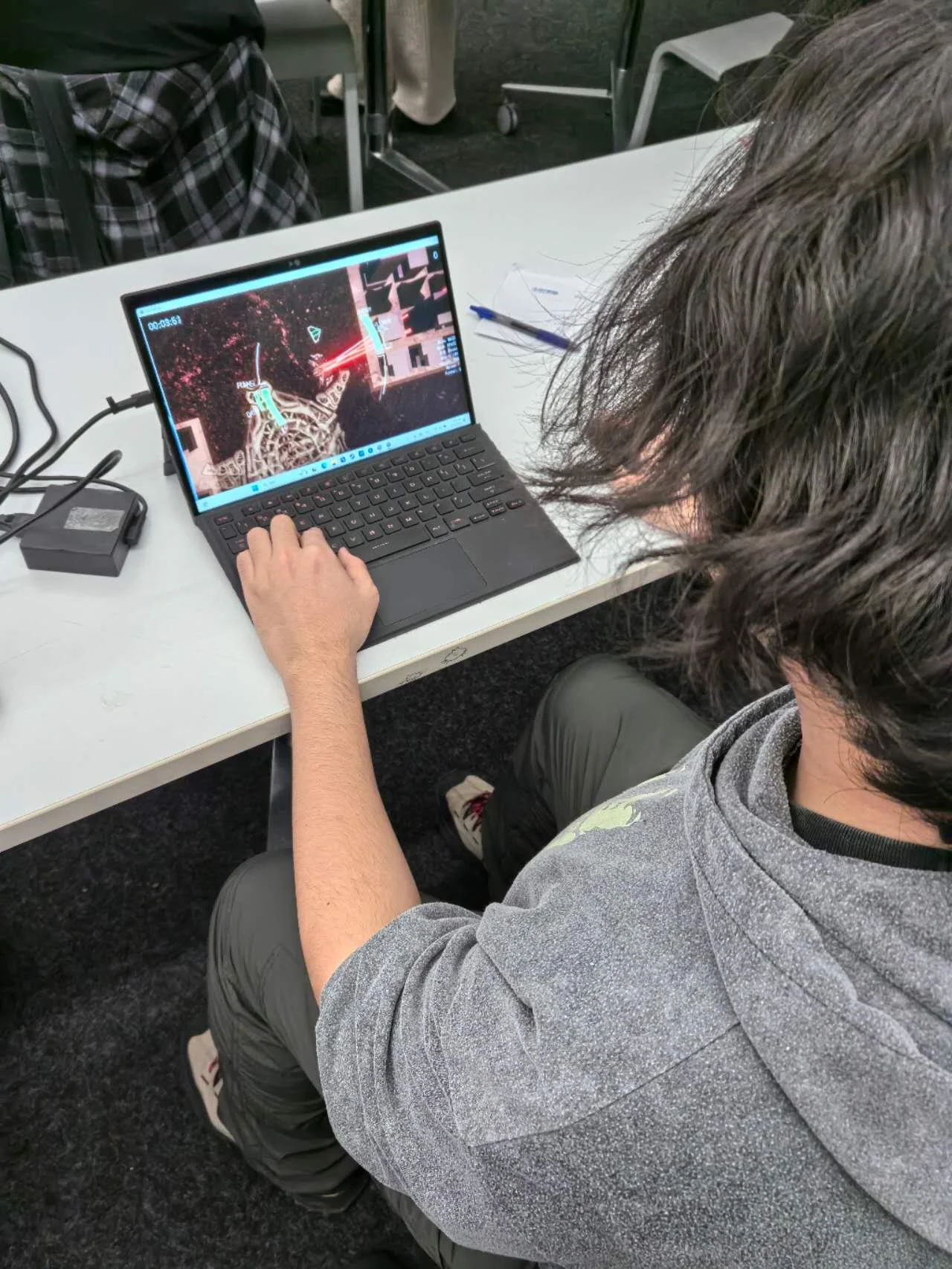
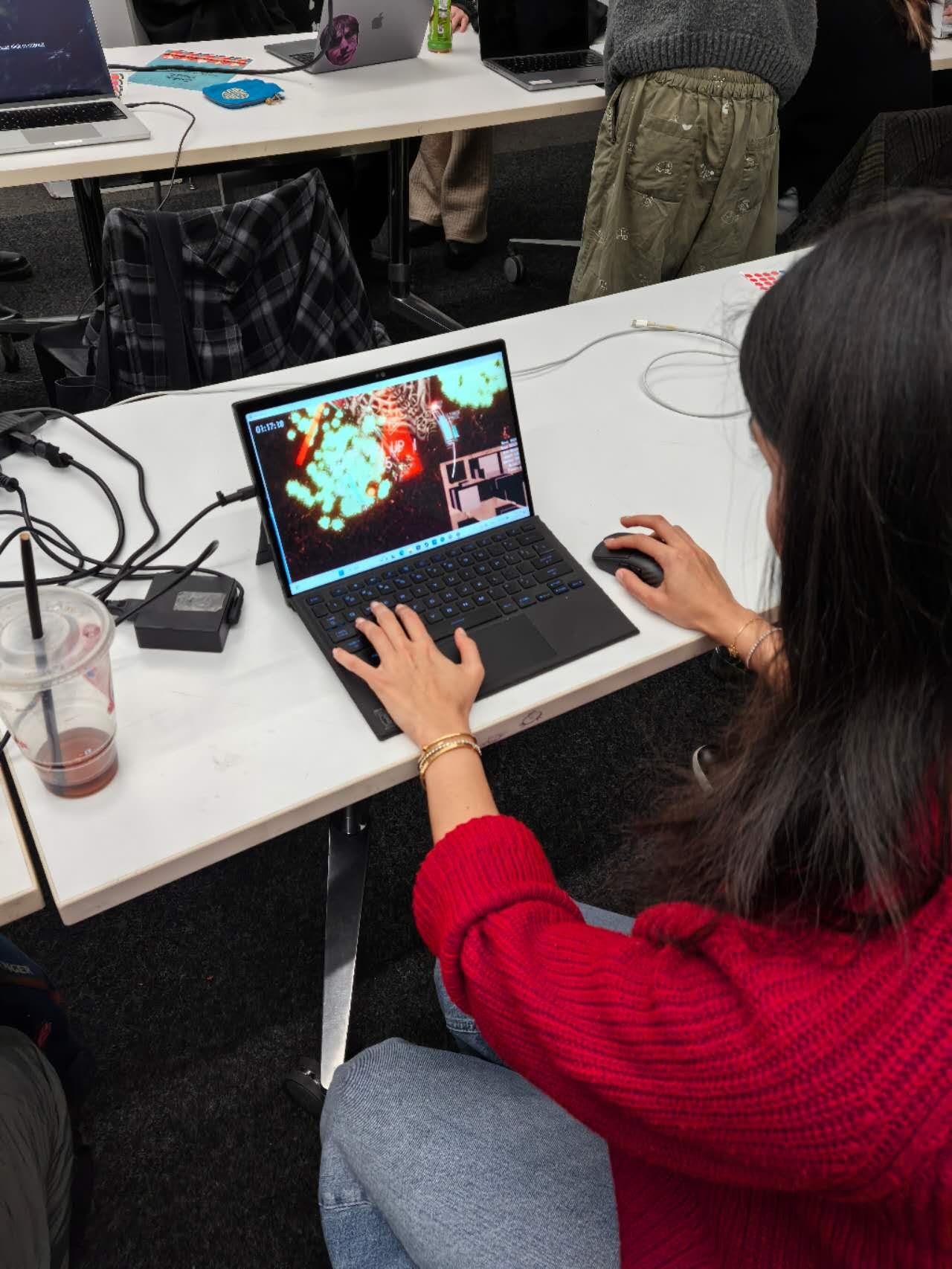
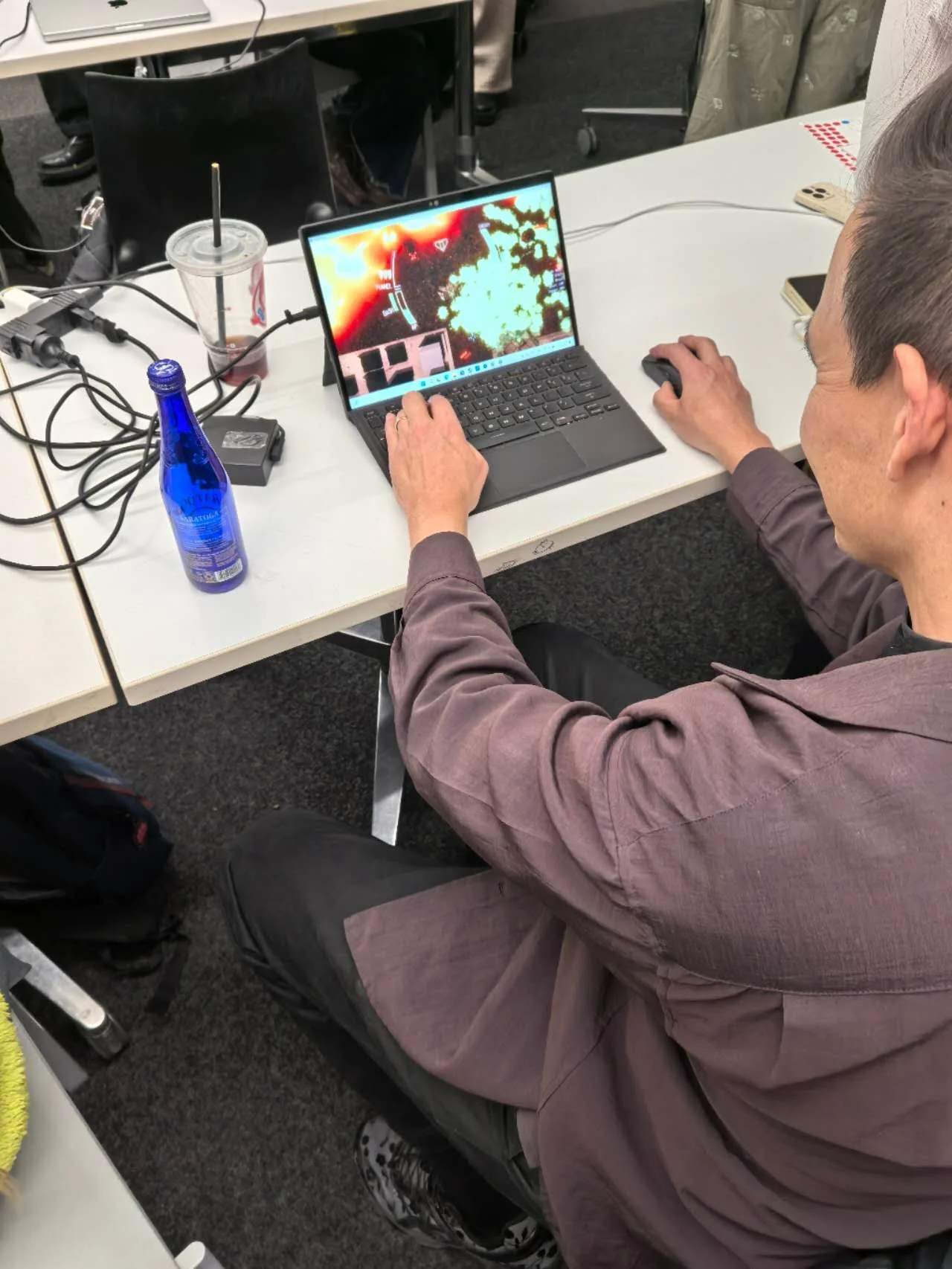
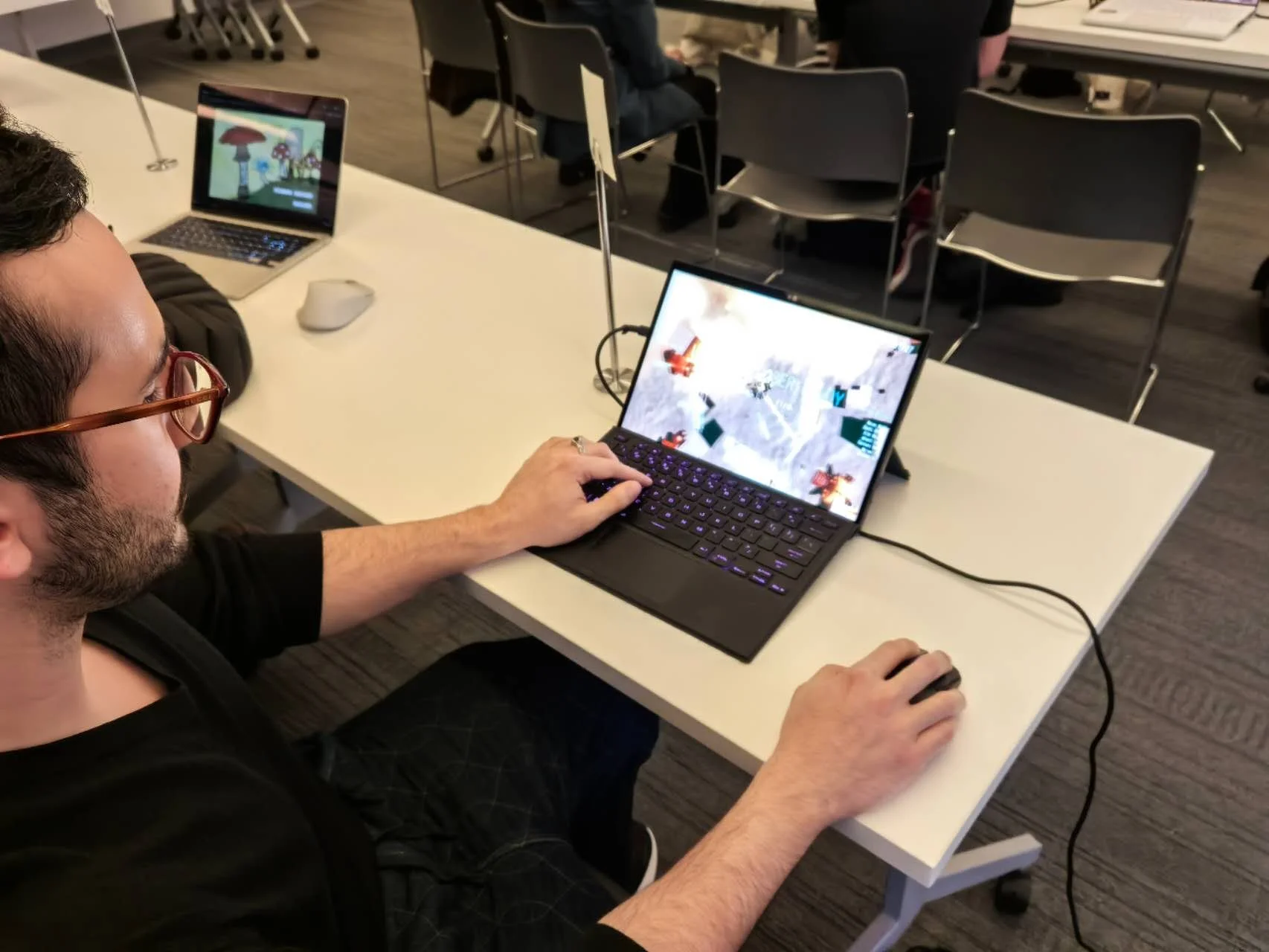
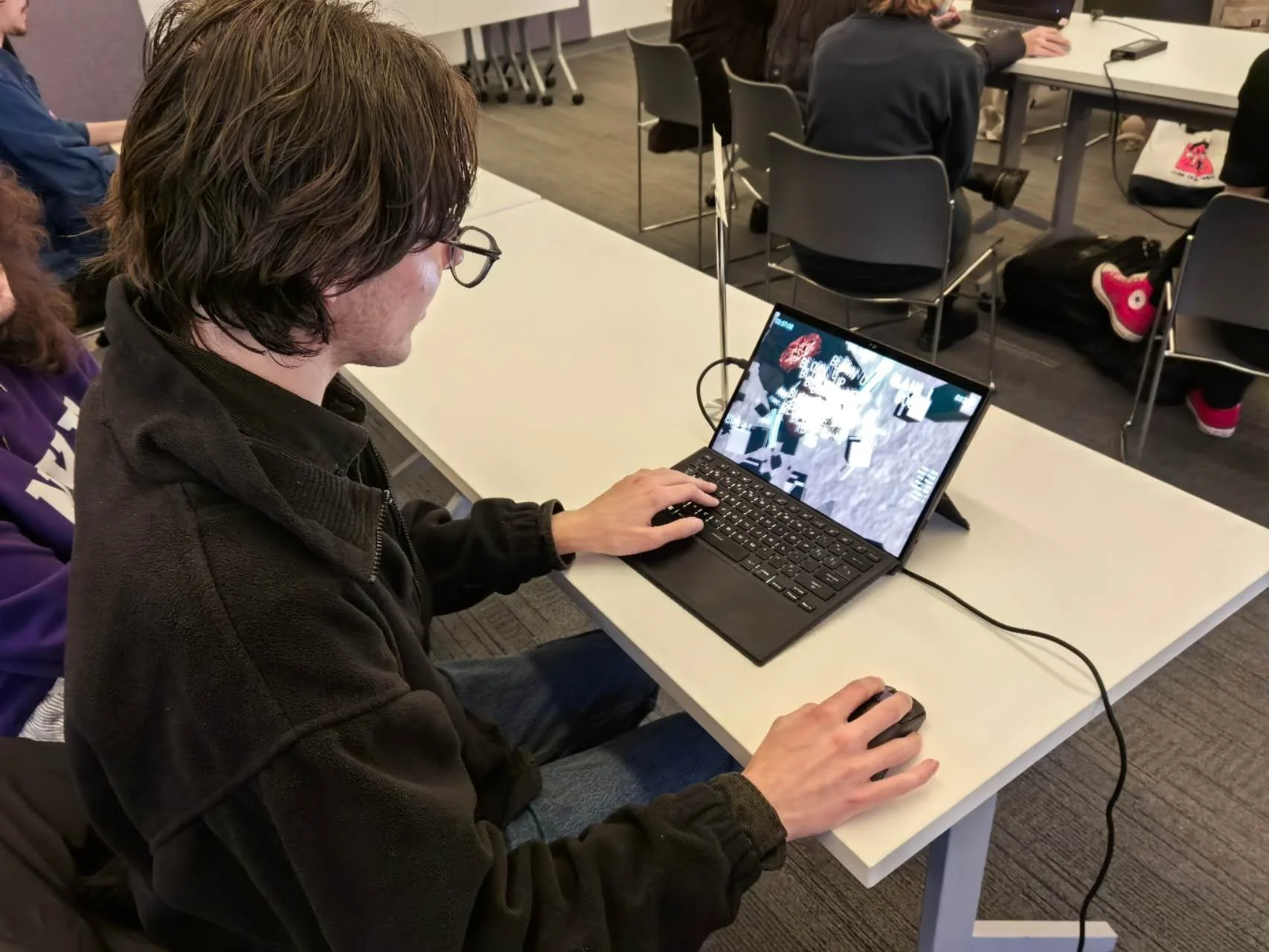
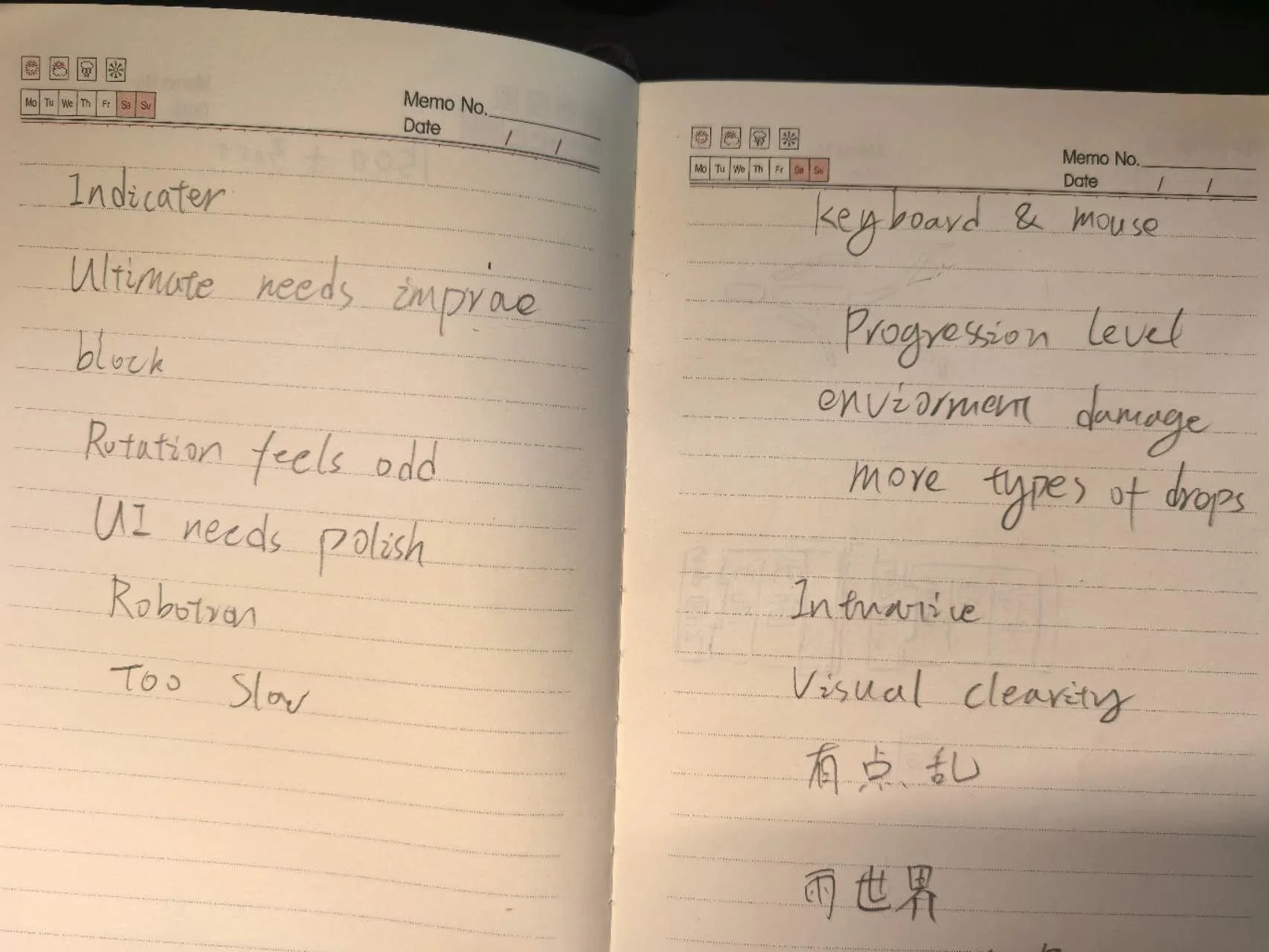
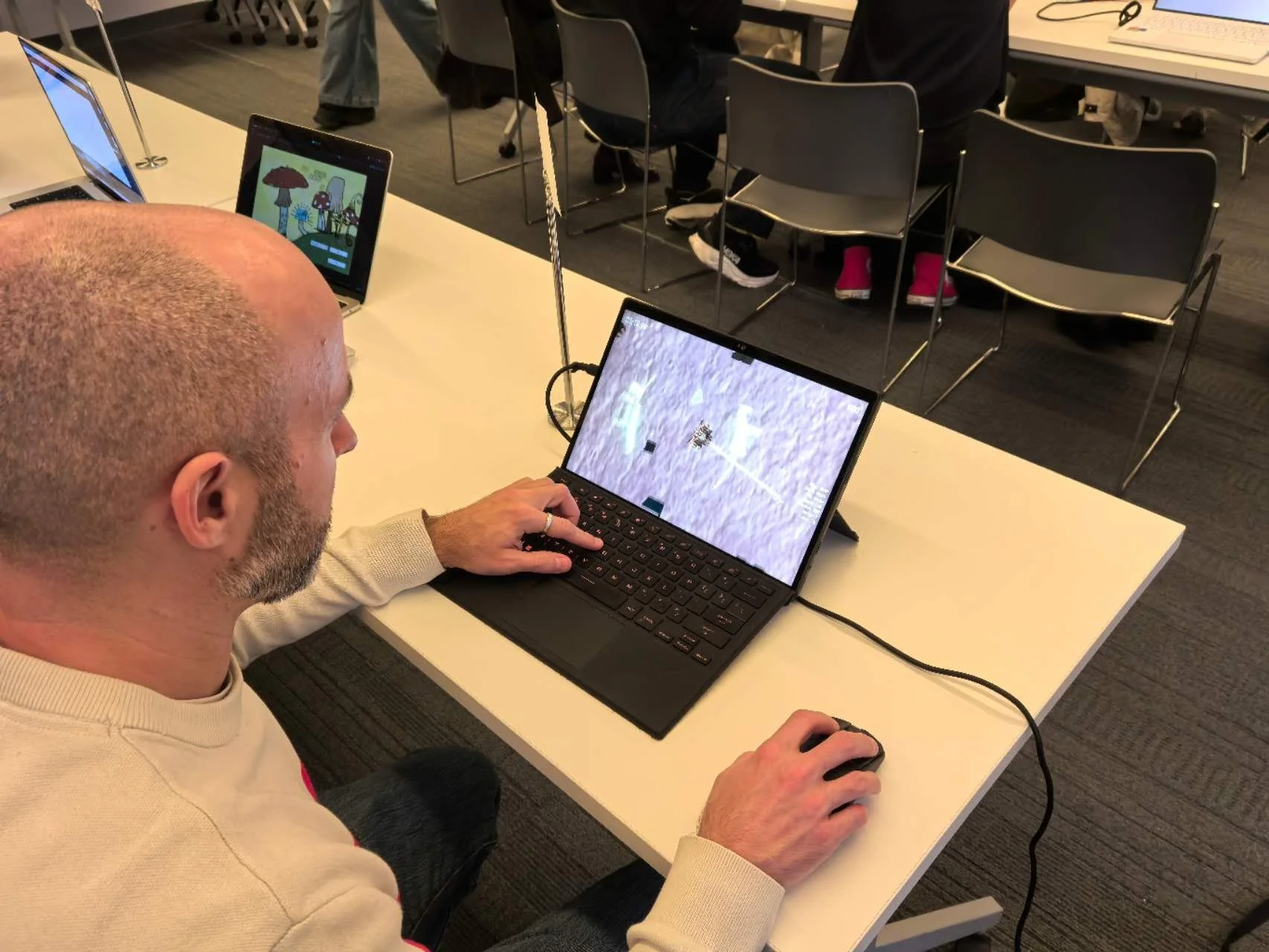
Honestly, this project might be the one I've run the most large-scale playtests for so far, but playtesting has been incredibly helpful. It's allowed me to uncover numerous issues with the game and receive a lot of very useful feedback. Below are several playtests and prototypes I consider particularly important:
2025.4.20 - Successfully bind the flight joystick controls through Unity's Input System, enabling it to operate the game.
(In home)
2025.5.10 - Successfully completed the production of the mothership and common enemies. The game is basically playable.(In home)
2025.9.10 - The melee combat system has been added, and the game's first boss has been created. Players reported numerous instances of controls feeling slightly counterintuitive (the controls at the time worked in a manner similar to driving a tank). And they want enemies to have health bars above their heads.
(In school)
2025.9.18 - Completely revamped controls, enlarged/rearranged UI, A new version optimized for keyboard and mouse has been created. Players hope to have a basic game background story.
(In school)
2025.10.25- Four distinct boss mechanics have been added to the game, with enemies displaying health bars above their heads. Players mentioned that melee combat feels a bit off, hoping for additional indicators to show where they're facing. After that, the camera shake is a bit too intense.
(NYU playtesting Thursday)
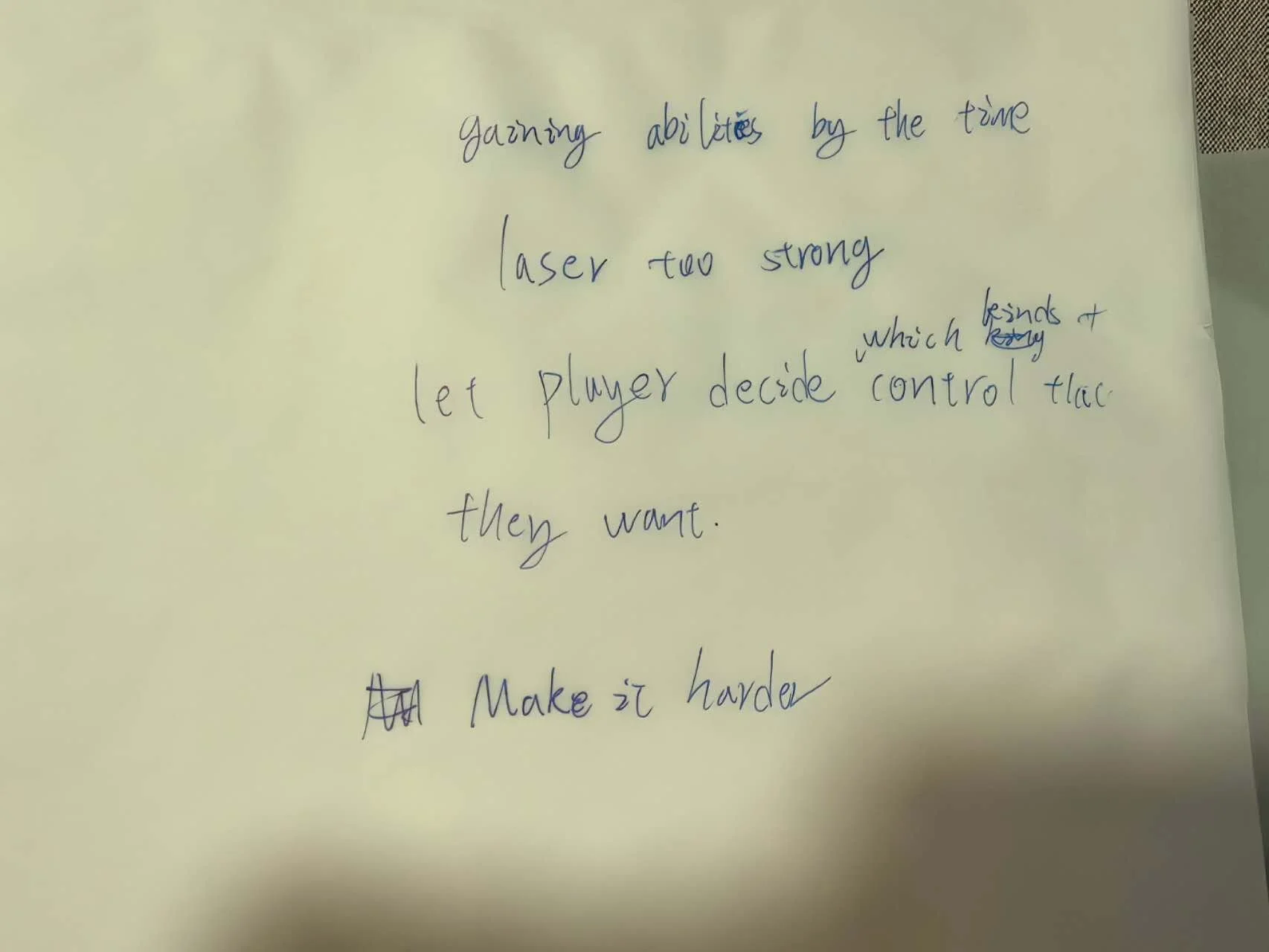
2025.11.13-The final boss has been added, terrain textures have been added, and the map has been rearranged. Players want the game to be more challenging; it's too easy right now, and the Ultimate Laser is a bit too powerful.
(NYU playtesting Thursday)
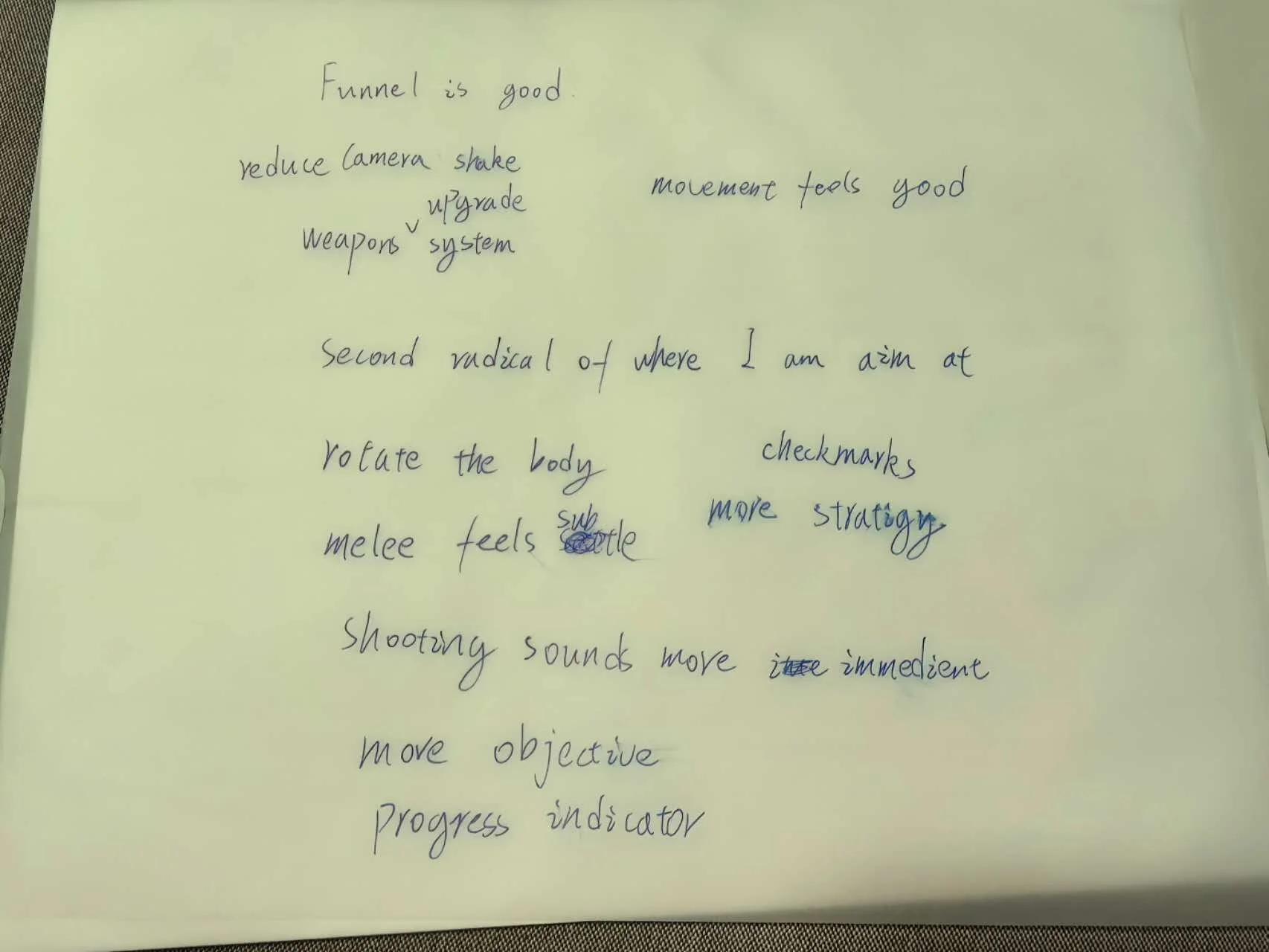
WHAT’S NEXT
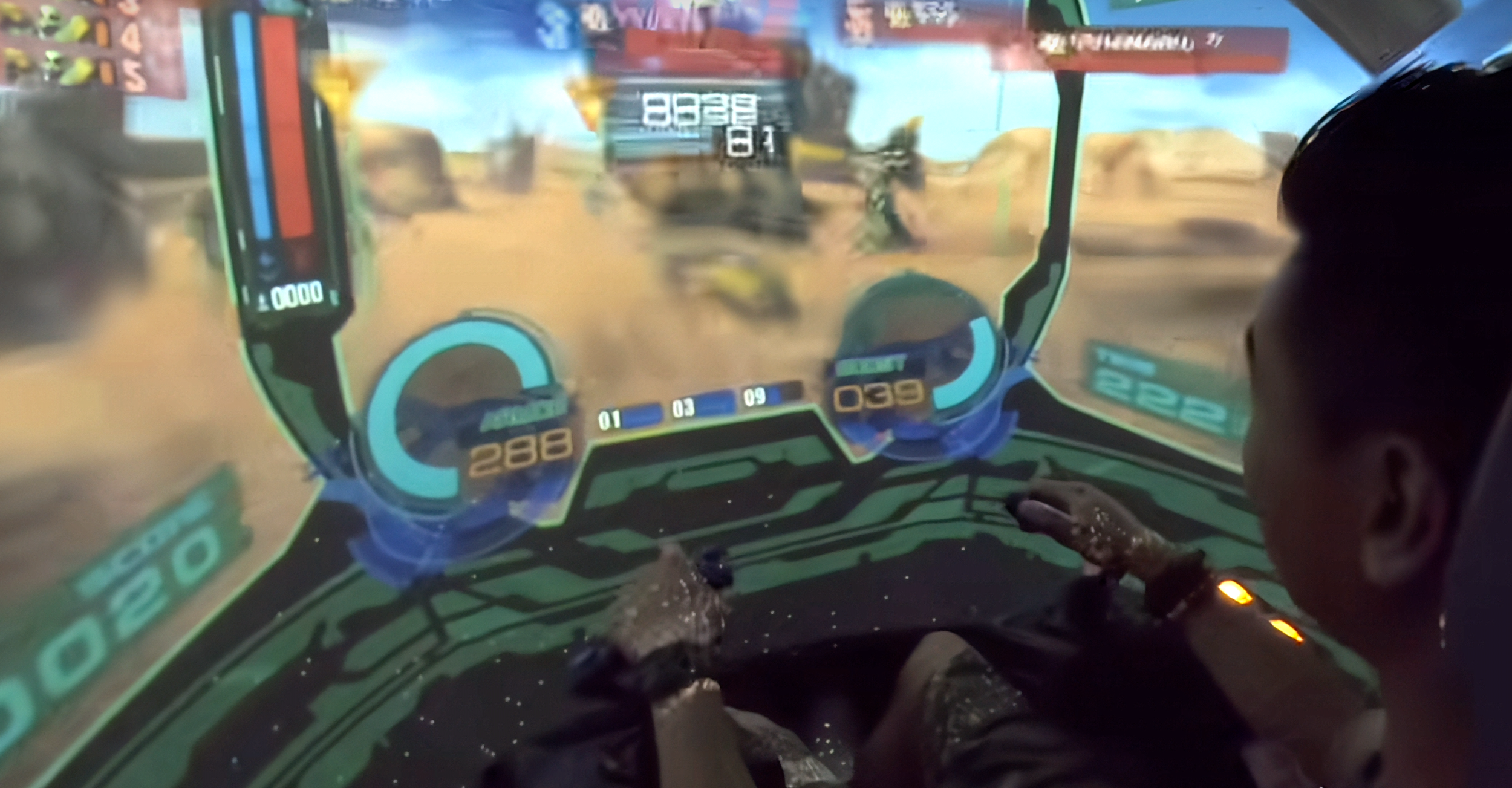
I would like to build a cockpit (maybe with cardboard or wood) in real life, just like the many arcade games.
Add roguelike or equipment-changing/upgrade mechanics to enhance replayability. Or maybe I can reference Call of Duty's Zombies mode, where players can choose between tackling main quests or continuously challenging more waves through in-game decisions.
However, I currently have an idea that I find quite interesting: players could switch between a third-person top-down view and a first-person view for combat (which might feel somewhat like DOOM) to better accommodate flight stick controls.
Additionally, I need to incorporate a feature that modifies in-game controls based on the input device. During GDC presentation, the creator of “Brigador” mentioned that his game initially struggled to attract players due to its challenging controls. To reach a broader audience, I had to significantly adjust many co-op elements. This resulted in some deviation from my original vision. I don't want to give up on this part entirely. However, to avoid disturbing casual players, I believe this feature is an excellent solution.